Honey Lavender Custard Pie – Soft, Floral, and Comforting

This pie is the kind of dessert that makes people lean in after the first bite. It’s silky, lightly sweet, and scented with just enough lavender to feel special without being perfumey.
Honey brings warmth and depth, and the custard sets into a smooth, spoonable slice.
The crust adds a gentle crunch and buttery contrast. It’s elegant enough for a dinner party, but easy enough for a cozy weekend bake.

Honey Lavender Custard Pie
Ingredients
- 1 unbaked 9-inch pie crust (homemade or quality store-bought)
- 1 1/2 cups whole milk
- 1/2 cup heavy cream
- 1/3 cup honey (orange blossom or clover works well)
- 1 to 1 1/2 teaspoons culinary dried lavender buds, lightly crushed
- 3 large eggs
- 1 teaspoon vanilla extract
- 1/8 teaspoon almond extract (optional, but lovely)
- 1/4 teaspoon fine sea salt
- Freshly grated nutmeg or lemon zest for finishing (optional)
Instructions
- Prep the crust: Heat the oven to 375°F (190°C). Fit the pie dough into a 9-inch pie plate, trim, and crimp. Prick the bottom with a fork. Line with parchment and fill with pie weights or dried beans. Blind-bake for 12–14 minutes, then remove weights and parchment and bake 5–7 minutes more until just barely golden. Cool slightly. Reduce oven to 325°F (165°C).
- Warm the dairy: In a small saucepan, combine milk, cream, honey, and lavender. Warm over medium-low heat until steaming and the honey dissolves, about 4–6 minutes. Do not let it boil. Remove from heat, cover, and let steep 10–15 minutes, tasting after 10. Strain out the lavender.
- Whisk the eggs: In a medium bowl, whisk eggs, vanilla, almond extract (if using), and salt until smooth but not frothy.
- Temper the custard: Slowly drizzle the warm milk mixture into the eggs while whisking constantly. Go slowly to avoid scrambling. When combined, strain once more into a spouted bowl or large measuring cup for extra silkiness.
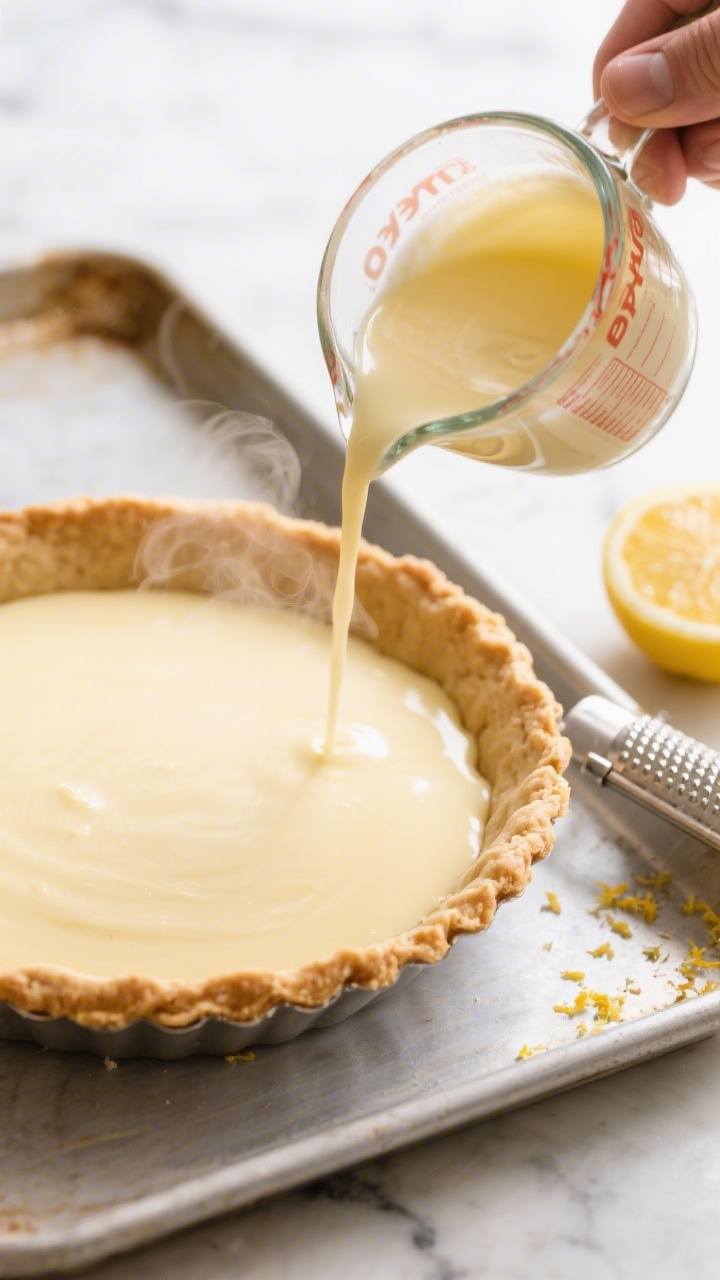
- Fill and bake: Place the pie plate on a baking sheet. Pour in the custard. Lightly grate nutmeg or lemon zest on top if you like. Bake at 325°F (165°C) for 30–40 minutes, until the edges are set and the center has a gentle wobble, like set Jell-O.
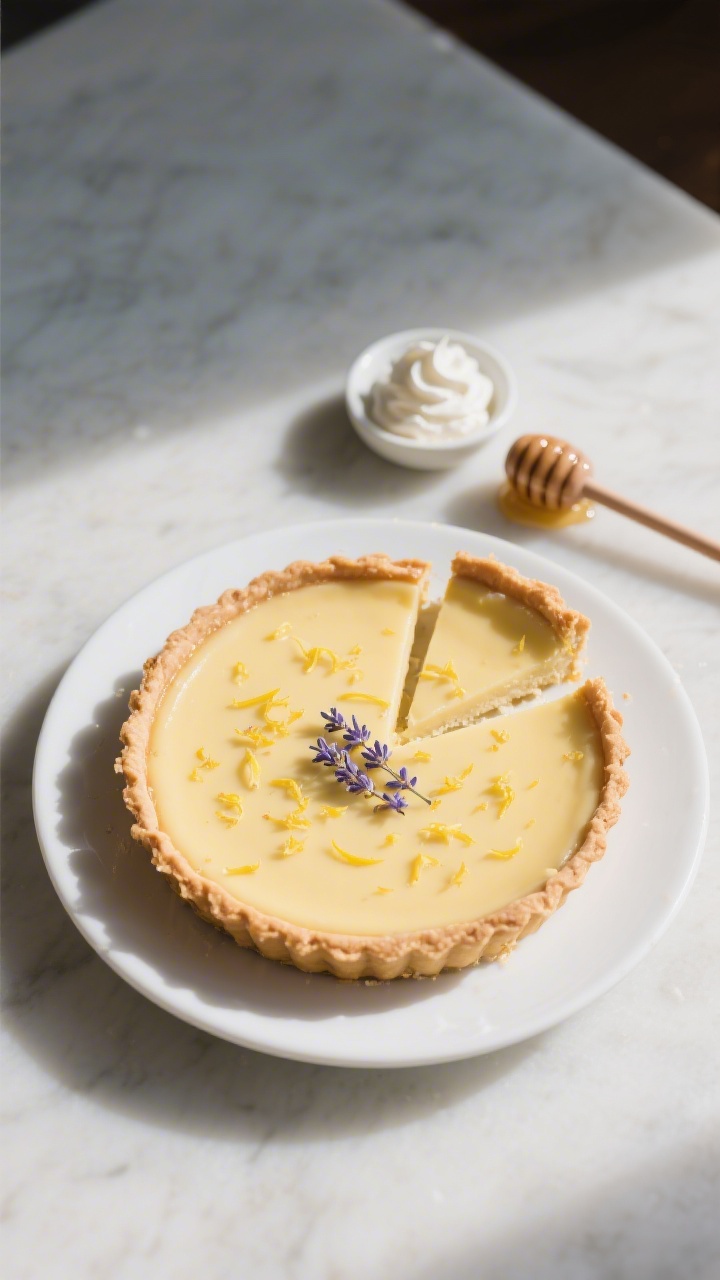
- Cool and chill: Let the pie cool on a rack until room temperature. Refrigerate at least 2 hours before slicing. Serve plain or with barely sweetened whipped cream.
Why This Recipe Works
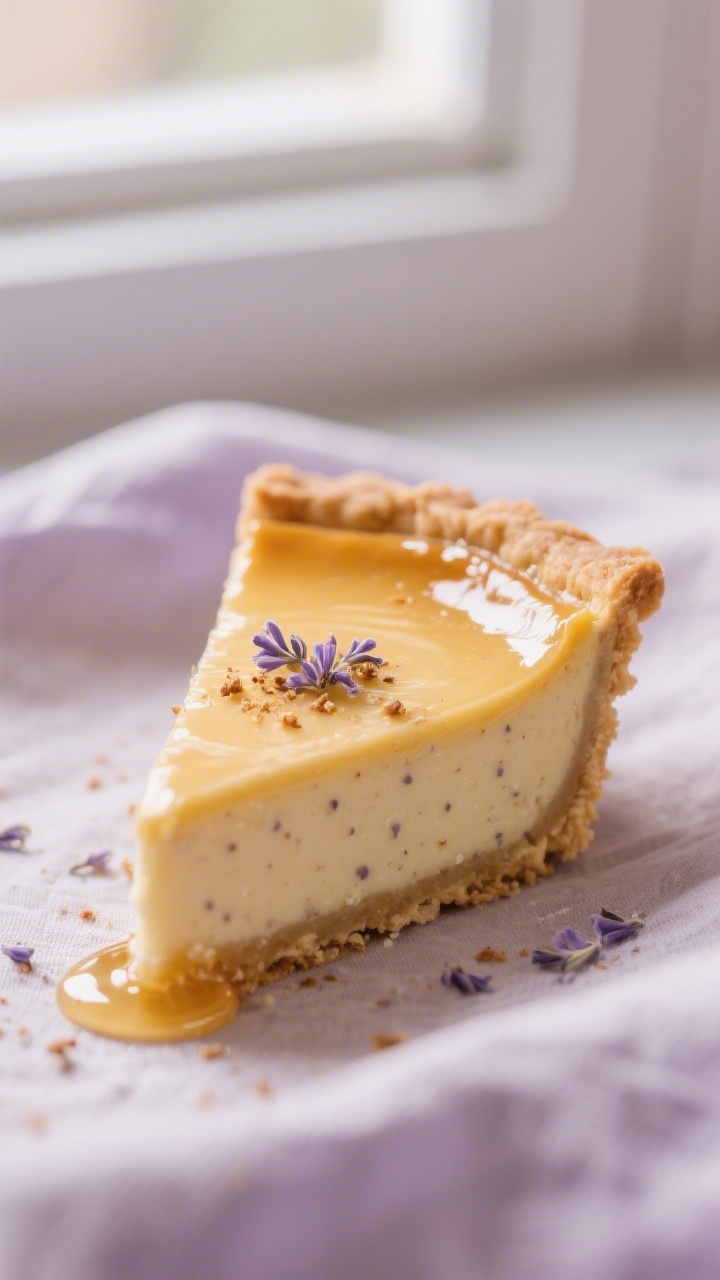
This pie leans on a classic custard technique but swaps granulated sugar for honey, which adds complexity and a softer sweetness. Infusing the milk with culinary lavender gives a delicate floral note, not a soapy punch.
Tempering the eggs ensures a perfectly smooth fill, and a brief blind-bake on the crust prevents sogginess.
A gentle, low-temperature bake keeps the custard creamy instead of curdled. A short chill time lets the pie set fully, so every slice cuts clean.
Ingredients
- 1 unbaked 9-inch pie crust (homemade or quality store-bought)
- 1 1/2 cups whole milk
- 1/2 cup heavy cream
- 1/3 cup honey (orange blossom or clover works well)
- 1 to 1 1/2 teaspoons culinary dried lavender buds, lightly crushed
- 3 large eggs
- 1 teaspoon vanilla extract
- 1/8 teaspoon almond extract (optional, but lovely)
- 1/4 teaspoon fine sea salt
- Freshly grated nutmeg or lemon zest for finishing (optional)
Instructions
- Prep the crust: Heat the oven to 375°F (190°C).
Fit the pie dough into a 9-inch pie plate, trim, and crimp. Prick the bottom with a fork. Line with parchment and fill with pie weights or dried beans. Blind-bake for 12–14 minutes, then remove weights and parchment and bake 5–7 minutes more until just barely golden. Cool slightly. Reduce oven to 325°F (165°C). - Warm the dairy: In a small saucepan, combine milk, cream, honey, and lavender.
Warm over medium-low heat until steaming and the honey dissolves, about 4–6 minutes. Do not let it boil. Remove from heat, cover, and let steep 10–15 minutes, tasting after 10. Strain out the lavender. - Whisk the eggs: In a medium bowl, whisk eggs, vanilla, almond extract (if using), and salt until smooth but not frothy.
- Temper the custard: Slowly drizzle the warm milk mixture into the eggs while whisking constantly. Go slowly to avoid scrambling. When combined, strain once more into a spouted bowl or large measuring cup for extra silkiness.
- Fill and bake: Place the pie plate on a baking sheet.
Pour in the custard. Lightly grate nutmeg or lemon zest on top if you like. Bake at 325°F (165°C) for 30–40 minutes, until the edges are set and the center has a gentle wobble, like set Jell-O.
- Cool and chill: Let the pie cool on a rack until room temperature.
Refrigerate at least 2 hours before slicing. Serve plain or with barely sweetened whipped cream.
Keeping It Fresh
Custard pies keep best chilled. Cover the cooled pie loosely with plastic wrap and store in the fridge for up to 3 days.
For the cleanest slices, chill overnight and use a warm, dry knife to cut. Avoid freezing; custard can weep and turn grainy once thawed.
If you’re making ahead, bake the day before and garnish just before serving.
Why This is Good for You
This dessert delivers comfort with a lighter touch. Honey offers sweetness with floral and fruity notes, so you can often use less than granulated sugar.
Whole milk and eggs provide protein and a bit of calcium, while the fat helps you feel satisfied with a smaller slice.
Lavender is used in tiny amounts and is known for its calming aroma, which can make dessert feel like a wind-down ritual.
It’s still a treat, but one that doesn’t lean on heavy spice or overpowering sweetness.
Pitfalls to Watch Out For
- Oversteeping the lavender: More than 15 minutes can turn the flavor bitter or soapy.
Taste as you go.
- Boiling the milk mixture: High heat can scorch the dairy and dull the delicate flavors. Keep it to a gentle steam.
- Skipping the tempering step: Adding hot milk to eggs too fast leads to curdled bits. Pour slowly and whisk steadily.
- Overbaking: A fully firm center means a rubbery texture.
Pull it when the middle still has a soft wobble.
- Not blind-baking the crust: Raw bottoms happen. A quick blind-bake keeps it crisp and sturdy.
Recipe Variations
- Shortbread crust: Swap the pie dough for a simple press-in shortbread crust for extra buttery crunch.
- Lavender-lemon twist: Add 1 teaspoon lemon zest to the custard and finish with a thin lemon-honey glaze after baking.
- Brown butter base: Brush the warm blind-baked crust with 1–2 tablespoons browned butter to deepen the flavor.
- Goat cheese custard: Whisk 2 ounces very soft goat cheese into the warm milk for a tangy, creamy note.
- Gluten-free: Use a gluten-free pie shell or make a crushed almond cookie crust with melted butter and a pinch of salt.
- Extra silky: Replace 1/2 cup of the milk with more cream and bake low and slow for an ultra-smooth set.
FAQ
Can I use fresh lavender instead of dried?
Use culinary dried lavender for consistent flavor and potency. Fresh can be more variable and may taste grassy.
If fresh is your only option, use half the amount by volume, taste the steeped milk, and strain early if the flavor is strong.
What kind of honey works best?
Choose a mild, floral honey like clover, wildflower, or orange blossom. Strong honeys such as buckwheat can overpower the lavender. If in doubt, taste a spoonful and imagine it warm with milk—if it feels smooth and floral, it’s a good match.
How do I know when the custard is done?
Gently nudge the pan.
The edges should be set, and the center should wobble like soft gelatin. If it ripples like liquid, give it a few more minutes. If it’s puffing or cracking, it’s overbaked—pull it immediately and cool.
Can I make this without cream?
Yes.
Replace the cream with whole milk and add 1 extra egg yolk for richness. The texture will be slightly lighter but still smooth and custardy.
Is there a way to boost the lavender flavor without overdoing it?
Crush the dried buds lightly before steeping to release their oils. You can also add a drop of culinary lavender extract after straining the milk.
Go sparingly—start with 1–2 drops and taste.
My crust shrank during blind-bake. What happened?
Pie dough needs chill time. After fitting it into the pie plate, chill for 20–30 minutes before blind-baking.
Use plenty of weights, pushing them up the sides so the walls don’t slump.
Can I make mini pies?
Absolutely. Use tartlet tins or a muffin pan lined with dough. Reduce bake time to 15–22 minutes at 325°F, watching for that same gentle wobble.
Cool and chill as usual.
What can I serve with this?
Lightly sweetened whipped cream, a few fresh berries, or a drizzle of honey are perfect. Avoid heavy sauces that mask the floral notes. A cup of black tea or chamomile pairs beautifully.
Wrapping Up
Honey lavender custard pie is calm, fragrant, and quietly luxurious.
With a few simple steps—gentle heat, careful tempering, and patient chilling—you’ll get a slice that feels like a soft exhale.
Keep the lavender light, let the honey sing, and enjoy a dessert that’s both memorable and easy to love.
It’s a keeper for spring gatherings, quiet evenings, and any time you want something special without the stress.
Printable Recipe Card
Want just the essential recipe details without scrolling through the article? Get our printable recipe card with just the ingredients and instructions.