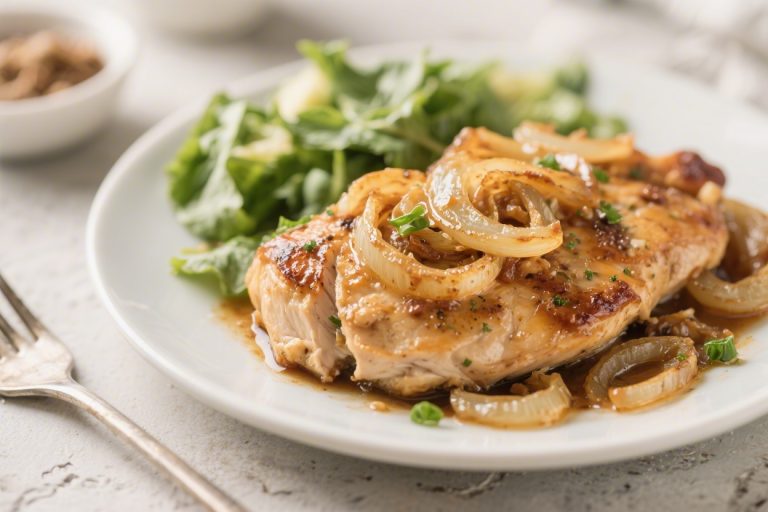
Low Carb Chicken Piccata – Bright, Zesty, and Weeknight Easy

Chicken piccata is one of those dishes that feels restaurant-fancy but cooks up fast at home. It’s bright with lemon, briny with capers, and rich with a silky butter sauce. This low carb version keeps all the flavor and swaps out the flour-heavy parts for lighter, smarter choices.
You’ll get tender chicken, a glossy pan sauce, and that signature pop of acid—without the carb crash. If you’re craving something comforting yet clean, this is your go-to.
Low Carb Chicken Piccata - Bright, Zesty, and Weeknight Easy
Ingredients
- 1.5 pounds boneless, skinless chicken breasts (about 3 large), butterflied and pounded to 1/2-inch thickness
- 1/2 cup finely ground almond flour (or almond meal, sifted for finer texture)
- 1 teaspoon kosher salt, plus more to taste
- 1/2 teaspoon black pepper
- 1/2 teaspoon garlic powder (optional, for extra savoriness)
- 3 tablespoons olive oil, divided
- 3 tablespoons unsalted butter, divided
- 3 cloves garlic, minced
- 1 cup low-sodium chicken broth (or bone broth)
- 1/3 cup fresh lemon juice (about 2 lemons), plus 1 teaspoon lemon zest
- 3 tablespoons capers, drained and rinsed
- 2 tablespoons chopped fresh parsley, for garnish
- Lemon slices, for serving (optional)
Instructions
- Prep the chicken: Slice each chicken breast horizontally to butterfly, then pound gently to an even 1/2-inch thickness. Pat dry with paper towels. Even thickness helps the chicken cook quickly and stay tender.
- Season and coat: In a shallow dish, mix almond flour, salt, pepper, and garlic powder. Lightly dredge the chicken on both sides, shaking off excess. You want a thin coat, not a thick crust.
- Sear the chicken: Heat 2 tablespoons olive oil and 1 tablespoon butter in a large skillet over medium to medium-high heat. When hot and shimmering, add the chicken in a single layer. Sear 3–4 minutes per side until golden and cooked through. Transfer to a plate and tent loosely with foil.
- Sauté the aromatics: Lower the heat to medium. Add remaining 1 tablespoon olive oil if the pan looks dry. Stir in the minced garlic and cook 30 seconds, just until fragrant. Don’t let it brown.
- Build the sauce: Pour in the chicken broth, scraping up the browned bits with a wooden spoon. Add lemon juice, lemon zest, and capers. Simmer 3–5 minutes to reduce slightly. The sauce should taste bright and savory, not harshly acidic.
- Finish with butter: Turn the heat to low and whisk in the remaining 2 tablespoons butter. This emulsifies the sauce and makes it glossy. Taste and adjust salt and pepper.
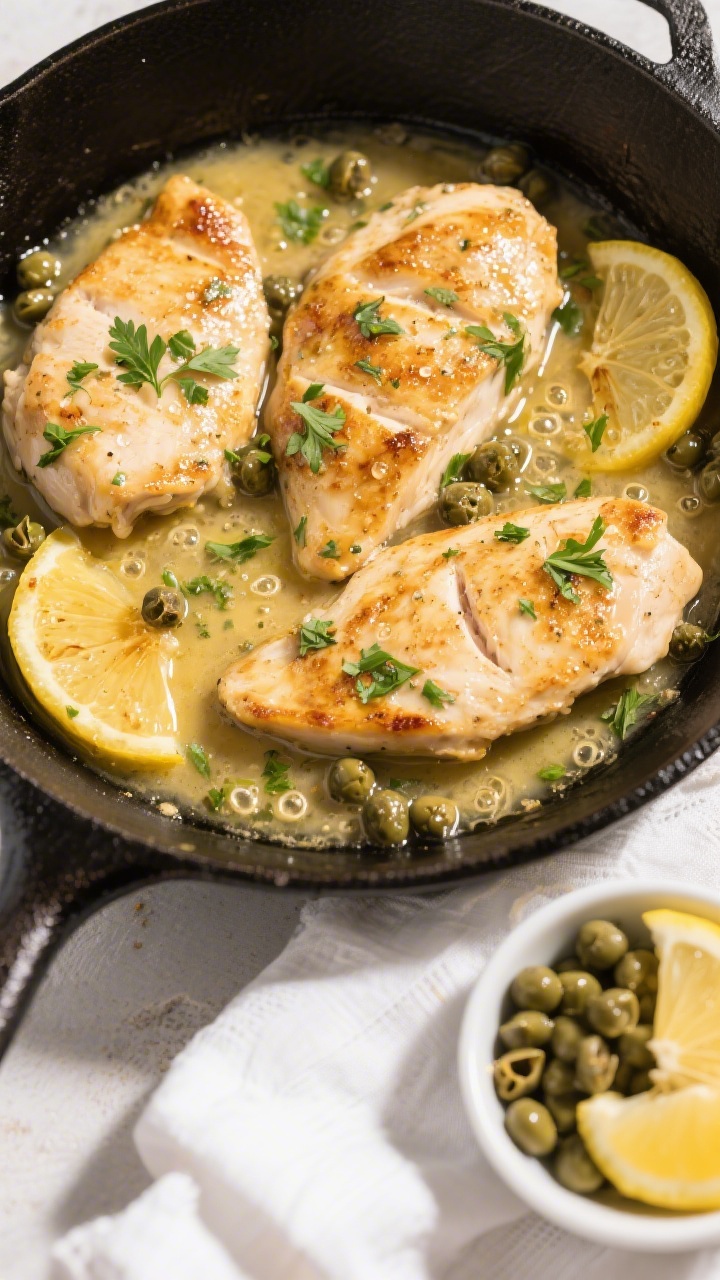
- Combine and serve: Return the chicken (and any juices) to the pan, spooning sauce over the top. Warm for 1 minute. Sprinkle with parsley and add lemon slices if you like. Serve right away with your favorite low carb sides.
What Makes This Special
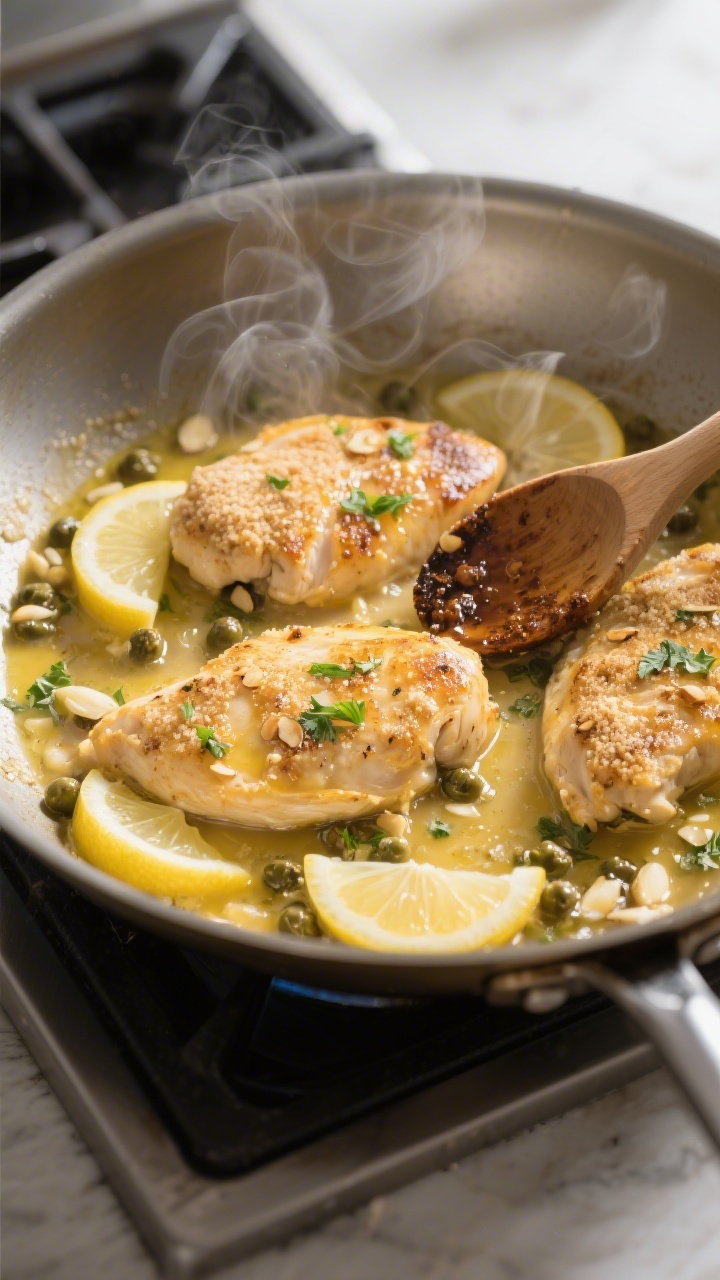
This low carb chicken piccata leans into classic technique but trims the extras. You’ll lightly coat the chicken in almond flour instead of white flour, which adds a touch of nuttiness and keeps the sauce clear, not gummy.
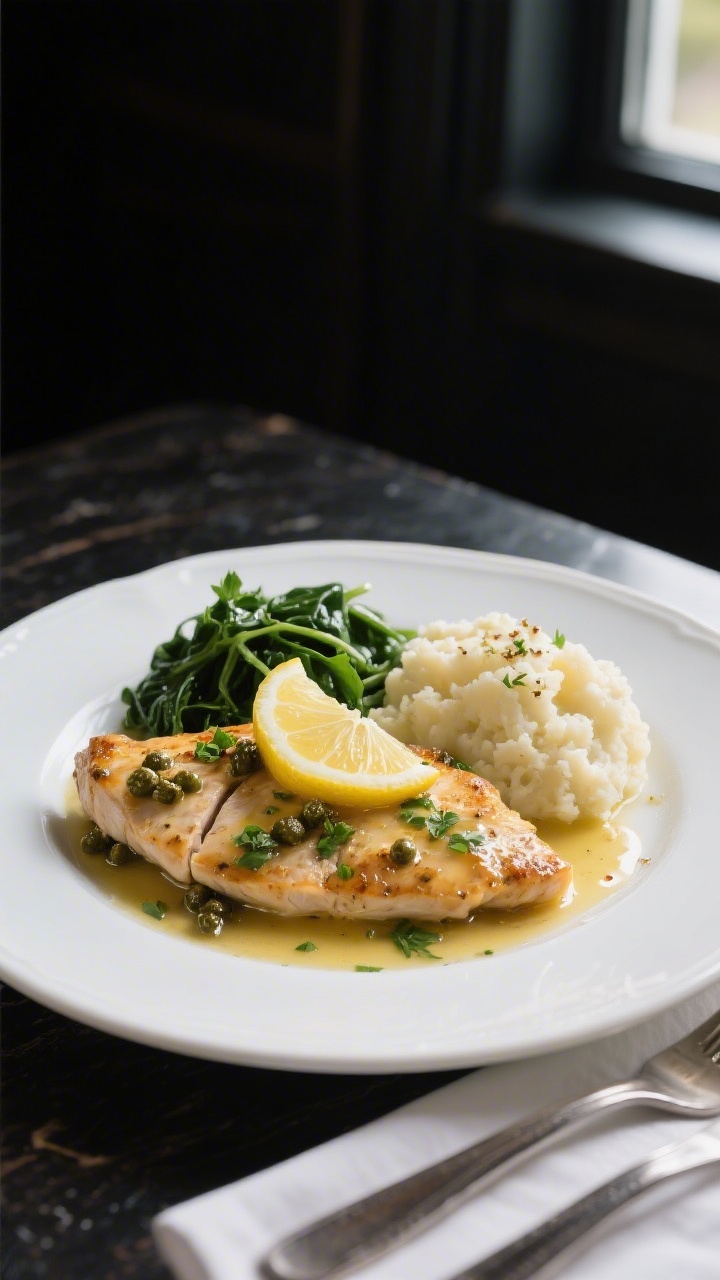
Fresh lemon juice and zest lift everything, while capers bring a salty punch that wakes up the palate. The whole dish comes together in one pan, which means less cleanup and more flavor. Plus, it pairs beautifully with low carb sides like cauliflower mash or sautéed greens.
Ingredients
- 1.5 pounds boneless, skinless chicken breasts (about 3 large), butterflied and pounded to 1/2-inch thickness
- 1/2 cup finely ground almond flour (or almond meal, sifted for finer texture)
- 1 teaspoon kosher salt, plus more to taste
- 1/2 teaspoon black pepper
- 1/2 teaspoon garlic powder (optional, for extra savoriness)
- 3 tablespoons olive oil, divided
- 3 tablespoons unsalted butter, divided
- 3 cloves garlic, minced
- 1 cup low-sodium chicken broth (or bone broth)
- 1/3 cup fresh lemon juice (about 2 lemons), plus 1 teaspoon lemon zest
- 3 tablespoons capers, drained and rinsed
- 2 tablespoons chopped fresh parsley, for garnish
- Lemon slices, for serving (optional)
Instructions
- Prep the chicken: Slice each chicken breast horizontally to butterfly, then pound gently to an even 1/2-inch thickness.
Pat dry with paper towels. Even thickness helps the chicken cook quickly and stay tender.
- Season and coat: In a shallow dish, mix almond flour, salt, pepper, and garlic powder. Lightly dredge the chicken on both sides, shaking off excess.
You want a thin coat, not a thick crust.
- Sear the chicken: Heat 2 tablespoons olive oil and 1 tablespoon butter in a large skillet over medium to medium-high heat. When hot and shimmering, add the chicken in a single layer. Sear 3–4 minutes per side until golden and cooked through.
Transfer to a plate and tent loosely with foil.
- Sauté the aromatics: Lower the heat to medium. Add remaining 1 tablespoon olive oil if the pan looks dry. Stir in the minced garlic and cook 30 seconds, just until fragrant.
Don’t let it brown.
- Build the sauce: Pour in the chicken broth, scraping up the browned bits with a wooden spoon. Add lemon juice, lemon zest, and capers. Simmer 3–5 minutes to reduce slightly.
The sauce should taste bright and savory, not harshly acidic.
- Finish with butter: Turn the heat to low and whisk in the remaining 2 tablespoons butter. This emulsifies the sauce and makes it glossy. Taste and adjust salt and pepper.
- Combine and serve: Return the chicken (and any juices) to the pan, spooning sauce over the top.
Warm for 1 minute. Sprinkle with parsley and add lemon slices if you like. Serve right away with your favorite low carb sides.
Keeping It Fresh
Chicken piccata tastes best the day it’s made, but it keeps well.
Store leftovers in an airtight container in the fridge for up to 3 days. Reheat gently on the stovetop over low heat, adding a splash of broth to loosen the sauce. If you’re meal-prepping, keep the sauce and chicken separate so the coating doesn’t soften too much.
For a next-day refresh, squeeze a bit more lemon and add a small pat of butter to revive the sheen.
Health Benefits
- Lower carb count: Skipping traditional flour and pasta cuts net carbs while keeping flavor high. This helps stabilize energy and supports low carb or keto goals.
- Lean protein: Chicken breast is a solid source of protein, which helps maintain muscle and keeps you full longer.
- Heart-healthy fats: Olive oil and butter in moderation provide satisfying fats. The balance makes the dish filling without heavy carbs.
- Micronutrient boost: Lemon adds vitamin C, while capers deliver antioxidants and a savory kick without many calories.
- Gluten-free friendly: Using almond flour makes this dish naturally gluten-free for those who need it.
What Not to Do
- Don’t over-flour the chicken: A thick coat turns gummy and can cloud the sauce.
Keep it light.
- Don’t overcrowd the pan: Crowding steams the chicken instead of searing it. Cook in batches if needed for a golden crust.
- Don’t burn the garlic: Bitter garlic can wreck the sauce. Add it after searing and keep the heat moderate.
- Don’t skip the reduction: Reducing the broth concentrates flavor.
If you rush this step, the sauce tastes thin.
- Don’t rely only on lemon juice: A little zest rounds out the brightness and keeps the flavor from tasting one-note.
Alternatives
- Dairy-free: Swap butter for ghee (if tolerated) or a high-quality vegan butter. The flavor will be slightly different but still rich.
- Thickeners: If you want a slightly thicker sauce, whisk in 1/4 teaspoon xanthan gum or glucomannan at the end. Start small—these thicken fast.
- Protein swaps: Try thin pork cutlets or turkey cutlets and cook the same way.
For fish, use cod or halibut, searing gently and reducing cook time.
- Herb variations: Basil or chives can replace parsley. A pinch of red pepper flakes adds subtle heat.
- Wine option: For a classic touch, replace 1/4 cup of the broth with dry white wine, then simmer to cook off the alcohol. It adds depth while staying low carb.
- Sides: Serve with cauliflower mash, zucchini noodles, sautéed spinach, roasted asparagus, or a simple arugula salad with olive oil and lemon.
FAQ
Can I make this without almond flour?
Yes.
You can skip the flour entirely and just season the chicken well. You’ll lose a touch of crust, but the sauce will still cling. Or use finely ground pork rinds for a crisp, ultra low carb coating.
Is chicken thigh okay instead of breast?
Absolutely.
Use boneless, skinless thighs and pound them to even thickness. They’re juicier and a bit more forgiving; just cook a minute or two longer per side as needed.
How do I keep the sauce from breaking?
Keep the heat low when adding the butter and whisk it in slowly. If it starts to separate, pull the pan off the heat and whisk vigorously.
A spoonful of cold butter can help bring it back together.
What if the sauce is too sour?
Add a small splash of broth and another tablespoon of butter to mellow the acidity. A pinch of salt can also balance sharp flavors. Taste as you go—lemons vary in tartness.
Can I freeze chicken piccata?
It’s not ideal.
The sauce can separate after thawing, and the chicken may turn soggy. If you must freeze, store the chicken and sauce separately and reheat gently with a splash of broth while whisking.
How many carbs are in a serving?
Exact numbers vary by brands and portions, but a typical serving of this recipe lands around 4–6 net carbs, mainly from almond flour, lemon, and capers. Sides will change the total.
Can I cook this ahead for guests?
Yes.
Sear the chicken and make the sauce a few hours ahead. Rewarm gently, add fresh lemon to brighten, mount with a little butter, then finish with parsley right before serving.
Wrapping Up
Low carb chicken piccata hits that sweet spot of fresh, tangy, and deeply satisfying. With a quick sear, a bright pan sauce, and a handful of pantry staples, you get a dinner that feels special any night of the week.
Keep the coat light, reduce the sauce, and finish with butter for that classic sheen. Serve with your favorite low carb sides, squeeze a little extra lemon, and enjoy every zesty bite.
Printable Recipe Card
Want just the essential recipe details without scrolling through the article? Get our printable recipe card with just the ingredients and instructions.