Coconut Flour Keto Bread – Simple, Satisfying, and Low-Carb

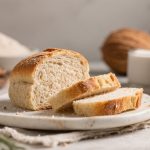
Warm, buttered bread on a keto diet isn’t a fantasy. This coconut flour keto bread gives you the soft slice you miss without the carbs you don’t.
It’s quick to make, uses pantry staples, and works for toast, sandwiches, or just snacking.
The flavor is mild, the texture is tender, and it holds up better than most grain-free loaves. If you’ve tried almond flour breads and want something lighter, this one hits the spot.
Coconut Flour Keto Bread – Simple, Satisfying, and Low-Carb
Ingredients
- Coconut flour (fine, fresh, and unsweetened)
- Eggs (large)
- Unsweetened almond milk (or water)
- Olive oil (or melted butter/ghee)
- Baking powder (aluminum-free)
- Apple cider vinegar
- Salt
- Granulated erythritol or allulose (optional, for balance)
- Optional add-ins: sesame seeds, chia seeds, garlic powder, dried herbs
Instructions
- Prep your pan. Line an 8.5 x 4.5-inch loaf pan with parchment and lightly oil the sides. Preheat your oven to 350°F (175°C).
- Whisk the dry ingredients. In a bowl, combine 1/2 cup coconut flour, 2 teaspoons baking powder, 1/2 teaspoon salt, and 1–2 teaspoons keto sweetener if using. Break up any lumps.
- Beat the eggs. In a separate large bowl, whisk 6 large eggs until smooth and slightly frothy. This traps air for a lighter loaf.
- Add liquids. To the eggs, whisk in 1/3 cup olive oil (or melted butter), 1/2 cup unsweetened almond milk, and 1 teaspoon apple cider vinegar.
- Combine wet and dry. Sprinkle the dry mix over the wet and whisk until just smooth. Let the batter rest for 2–3 minutes. The batter will thicken as the coconut flour absorbs moisture.
- Adjust if needed. The final batter should be thick but spreadable, like a dense cake batter. If it’s too stiff, add 1–2 tablespoons more almond milk. If too loose, sift in 1 teaspoon more coconut flour.
- Flavor boost. Fold in 1 tablespoon seeds or 1/2 teaspoon garlic powder or dried herbs if you like. Sprinkle extra seeds on top for a bakery look.
- Fill and smooth. Transfer the batter to the pan and smooth the top with a spatula. Score a shallow line down the center to guide an even rise.
- Bake. Bake for 35–45 minutes, until the top is golden and a toothpick comes out clean. The center should spring back when gently pressed.
- Cool completely. Let the loaf cool in the pan for 10 minutes, then lift out with parchment and cool fully on a rack before slicing. This step prevents crumbling.
- Slice and serve. Use a serrated knife for thin, even slices. Toast lightly for the best texture and flavor.
Why This Recipe Works
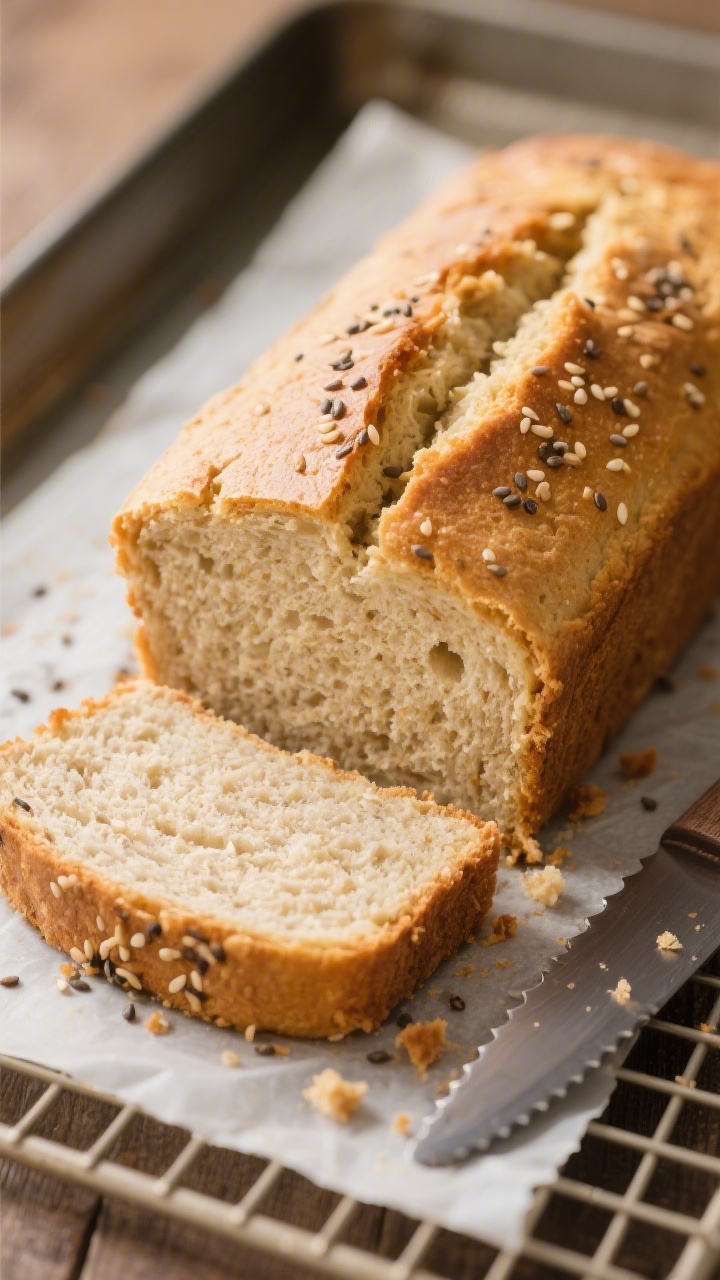
Coconut flour absorbs a lot of liquid, so you get a sturdy loaf without gluten. The eggs add structure and lift, while a little oil keeps the crumb soft.
Apple cider vinegar reacts with baking powder to help the bread rise and stay fluffy.
A pinch of sweetener balances coconut’s natural flavor, making it taste more like classic bread. The batter mixes fast, bakes evenly, and slices cleanly once cooled.
Shopping List
- Coconut flour (fine, fresh, and unsweetened)
- Eggs (large)
- Unsweetened almond milk (or water)
- Olive oil (or melted butter/ghee)
- Baking powder (aluminum-free)
- Apple cider vinegar
- Salt
- Granulated erythritol or allulose (optional, for balance)
- Optional add-ins: sesame seeds, chia seeds, garlic powder, dried herbs
How to Make It
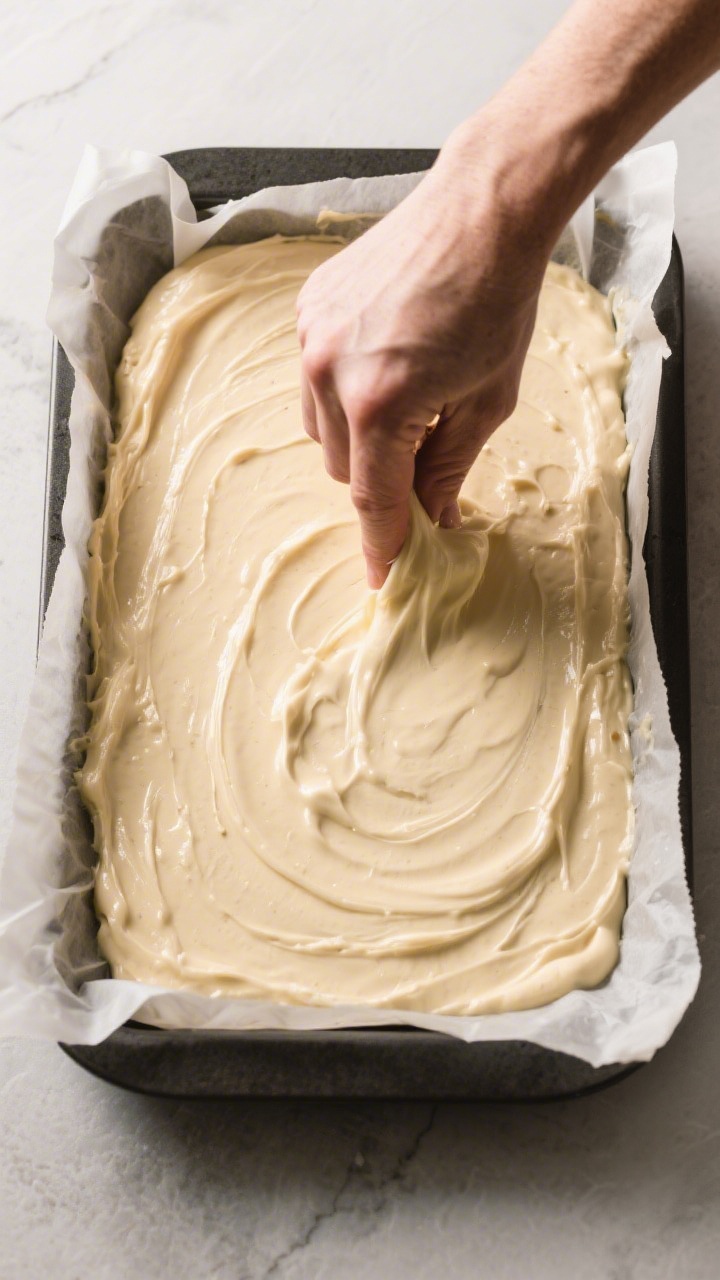
- Prep your pan. Line an 8.5 x 4.5-inch loaf pan with parchment and lightly oil the sides. Preheat your oven to 350°F (175°C).
- Whisk the dry ingredients. In a bowl, combine 1/2 cup coconut flour, 2 teaspoons baking powder, 1/2 teaspoon salt, and 1–2 teaspoons keto sweetener if using. Break up any lumps.
- Beat the eggs. In a separate large bowl, whisk 6 large eggs until smooth and slightly frothy. This traps air for a lighter loaf.
- Add liquids. To the eggs, whisk in 1/3 cup olive oil (or melted butter), 1/2 cup unsweetened almond milk, and 1 teaspoon apple cider vinegar.
- Combine wet and dry. Sprinkle the dry mix over the wet and whisk until just smooth. Let the batter rest for 2–3 minutes. The batter will thicken as the coconut flour absorbs moisture.
- Adjust if needed. The final batter should be thick but spreadable, like a dense cake batter. If it’s too stiff, add 1–2 tablespoons more almond milk. If too loose, sift in 1 teaspoon more coconut flour.
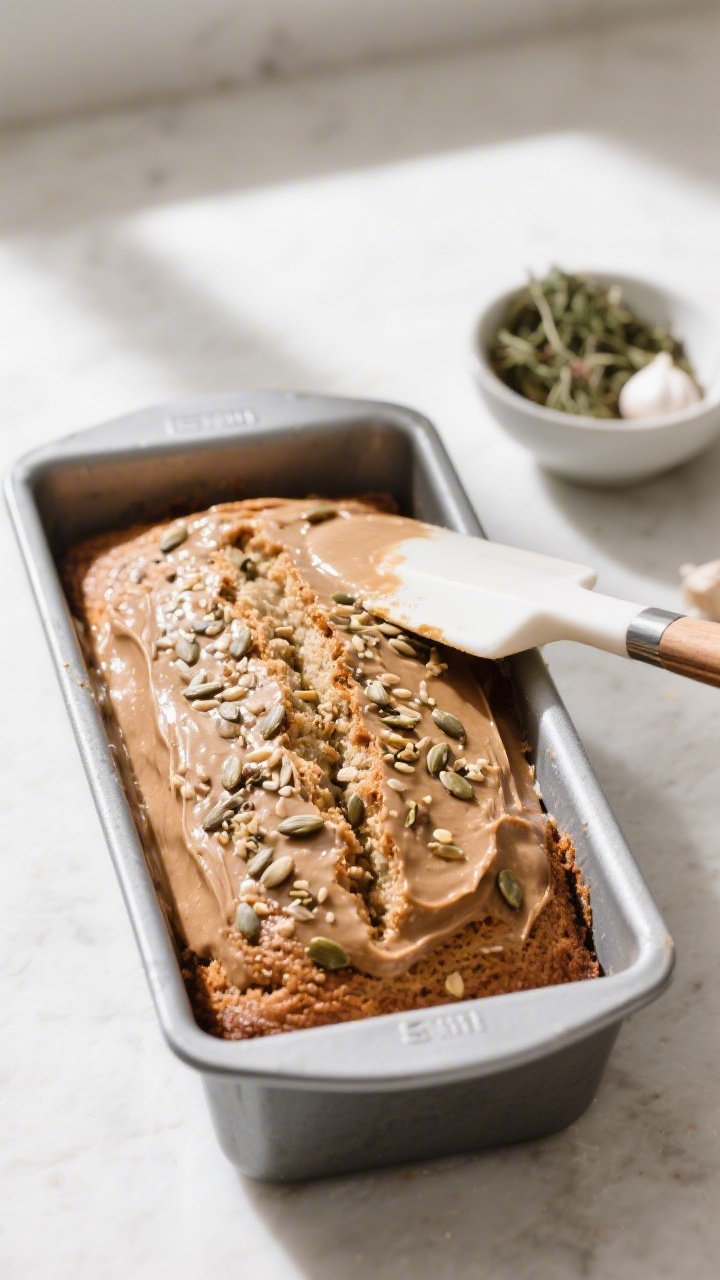
- Flavor boost. Fold in 1 tablespoon seeds or 1/2 teaspoon garlic powder or dried herbs if you like. Sprinkle extra seeds on top for a bakery look.
- Fill and smooth. Transfer the batter to the pan and smooth the top with a spatula. Score a shallow line down the center to guide an even rise.
- Bake. Bake for 35–45 minutes, until the top is golden and a toothpick comes out clean. The center should spring back when gently pressed.
- Cool completely. Let the loaf cool in the pan for 10 minutes, then lift out with parchment and cool fully on a rack before slicing. This step prevents crumbling.
- Slice and serve. Use a serrated knife for thin, even slices. Toast lightly for the best texture and flavor.
Keeping It Fresh
Coconut flour bread stays best when cool and dry.
Store slices in an airtight container at room temperature for up to 24 hours. After that, refrigerate for 5–6 days.
For longer storage, freeze sliced bread in a zip-top bag with parchment between slices. Toast from frozen or thaw in the fridge for easy breakfasts and sandwiches.

Health Benefits
Coconut flour is naturally low in net carbs and high in fiber, which helps with fullness and steady energy.
The eggs provide complete protein and important nutrients like choline and B vitamins. Using olive oil or butter gives you satiating fats that fit well in a keto plan.
There’s no gluten, grains, or added sugar, so it supports a variety of dietary needs.
Plus, each slice tends to be nutrient-dense, so a little goes a long way.
What Not to Do
- Don’t skip the rest time after mixing. Coconut flour needs a minute to hydrate or the texture will be dry and crumbly.
- Don’t overbake. It can go from done to dry fast. Start checking at 35 minutes.
- Don’t pack the flour. Measure loosely and level the cup, or better yet, weigh it (about 56–60 g for 1/2 cup depending on brand).
- Don’t cut while warm. Warm slices will crumble. Cool completely for clean cuts.
- Don’t swap coconut flour 1:1 with almond flour or other flours. It behaves differently and needs more liquid and eggs.
Alternatives
- Dairy-free: Use olive oil and almond milk. Skip butter or ghee.
- Herb and garlic: Add 1/2 teaspoon garlic powder and 1 teaspoon Italian herbs.
Great for savory toast. - Seeded loaf: Fold in 2 tablespoons mixed seeds (chia, sesame, sunflower). Adds crunch and minerals.
- Sandwich shape: Use a smaller 8 x 4-inch pan for a taller loaf, or bake as 8–10 muffins for portion control (bake 18–22 minutes).
- Richer flavor: Swap half the olive oil for melted butter. It adds a classic bakery aroma.
- Nut-free milk: Use coconut milk (carton, unsweetened). You may need 1–2 extra tablespoons due to thickness.
FAQ
How many carbs are in a slice?
It varies by brand, but a typical slice from this loaf has about 2–3 g net carbs, assuming 12 slices. Always check your ingredient labels and slice count for the most accurate numbers.
Can I replace the eggs?
Eggs are key for structure in coconut flour breads. Flax or chia eggs won’t rise the same and can make the loaf dense.
If you must try it, use 6 flax eggs and add 1/2 teaspoon baking soda with the vinegar, but expect a heavier result.
Why is my bread dry or crumbly?
It’s usually from overbaking, too much flour, or cutting too soon. Weigh the flour, let the batter rest, and cool fully before slicing. Adding 1–2 tablespoons more liquid can help if your coconut flour is extra absorbent.
Can I make it sweet?
Yes.
Add 2–3 tablespoons keto sweetener and 1 teaspoon vanilla. Bake as written. It’s great for French toast or with a smear of cream cheese.
How do I get a better rise?
Use fresh baking powder, whisk the eggs well, and don’t overmix after combining.
A small pan helps height. Scoring the top also guides the rise and prevents cracking.
Does it taste like coconut?
Only slightly. The savory add-ins and a pinch of sweetener balance the flavor.
Toasting and using butter or olive oil also mellow the coconut notes.
Can I use a bread machine?
Not ideal. This batter is more like a quick bread, not a yeasted dough. Bake in the oven for the best texture and rise control.
What’s the best way to serve it?
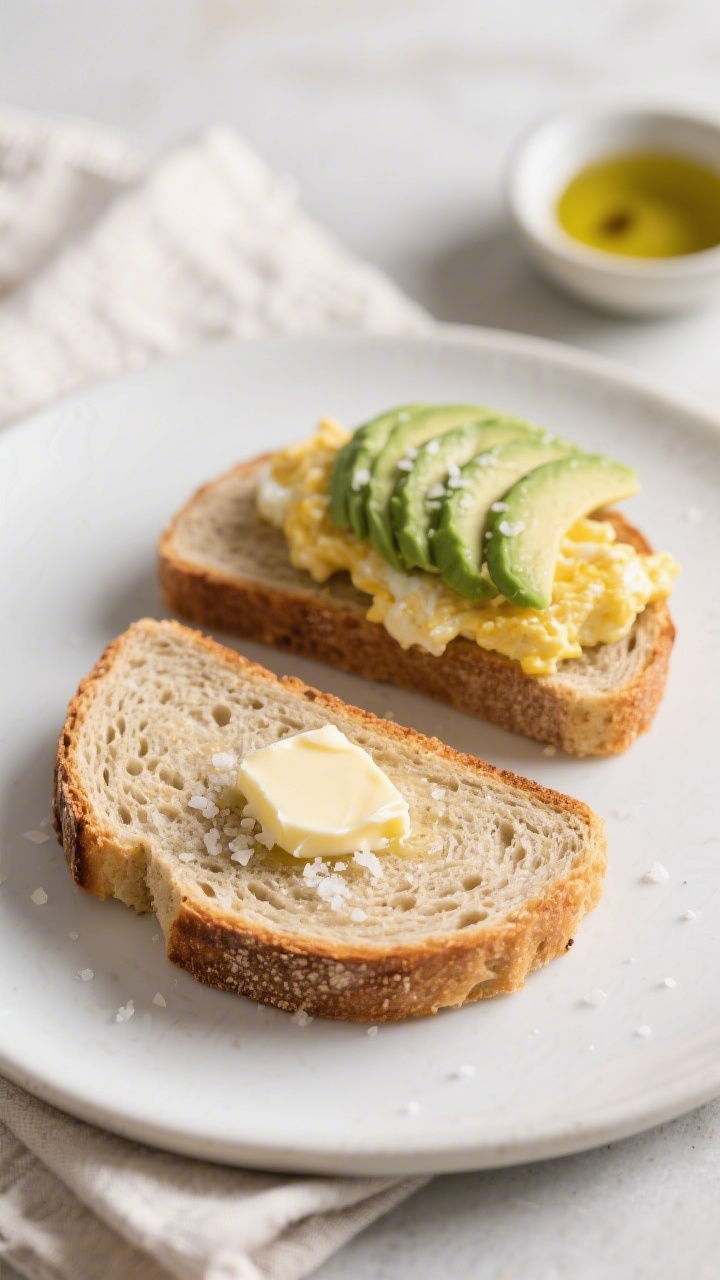
Toast slices and top with butter, avocado, eggs, or deli meat.
It also works for grilled cheese, BLTs, and breakfast sandwiches because it holds together well when toasted.
In Conclusion
Coconut flour keto bread is simple to make, budget-friendly, and surprisingly versatile.
With a short ingredient list and a reliable method, you’ll get slices that toast beautifully and fit your low-carb goals.
Keep a loaf in the fridge, stash a few slices in the freezer, and you’ll always have a quick, satisfying base for meals and snacks.
It’s the kind of recipe you’ll use week after week.
Printable Recipe Card
Want just the essential recipe details without scrolling through the article? Get our printable recipe card with just the ingredients and instructions.