3 Ingredient White Chocolate Caramel Bark Recipe – Easy, Sweet, and Shareable

This is the kind of treat you make when you want something homemade without spending all afternoon in the kitchen.
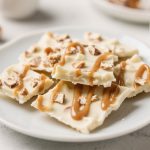
White chocolate caramel bark looks fancy, tastes like a candy shop creation, and comes together with just three ingredients. It’s perfect for gifting, holiday trays, or a quick sweet bite after dinner.
The texture is everything: smooth, sweet white chocolate with buttery caramel swirls and a light crunch of flaky salt if you like it. Keep it simple, or dress it up with fun toppings—either way, it’s a winner.
3 Ingredient White Chocolate Caramel Bark Recipe – Easy, Sweet, and Shareable
Ingredients
- White chocolate (about 16 ounces): Use high-quality white chocolate bars or baking wafers. Look for cocoa butter in the ingredients for better melt and flavor.
- Soft caramels (about 8 ounces): Store-bought caramels are perfect. Choose a brand that melts smoothly.
- Heavy cream (2–3 tablespoons): Helps loosen the caramel so it drizzles and swirls easily.
- Flaky sea salt to sprinkle on top.
- 1 teaspoon neutral oil (like coconut or canola) to smooth the white chocolate if needed.
Instructions
- Line a baking sheet with parchment paper. Choose a sheet that fits in your fridge. Clear a spot in the fridge so you can chill the bark right away.
- Chop the white chocolate into small, even pieces. If using wafers, you can skip chopping. The smaller the pieces, the smoother the melt.
- Melt the white chocolate. Microwave method: Place chocolate in a microwave-safe bowl and heat on 50% power in 20–30 second bursts, stirring well between each, until just melted and glossy. Stovetop method: Use a double boiler and stir gently until smooth. If the chocolate looks thick, stir in 1 teaspoon oil.
- Melt the caramels. Unwrap and add to a small saucepan with 2 tablespoons heavy cream. Warm over low heat, stirring until smooth. If it seems too thick to drizzle, add up to 1 more tablespoon cream. Keep it warm on the lowest heat.
- Spread the white chocolate onto the parchment-lined sheet. Aim for an even layer about 1/4 inch thick. Work quickly so it doesn’t start to set before you swirl in the caramel.
- Drizzle the warm caramel over the white chocolate in thin ribbons. Use a spoon or small pitcher to create lines across the surface.
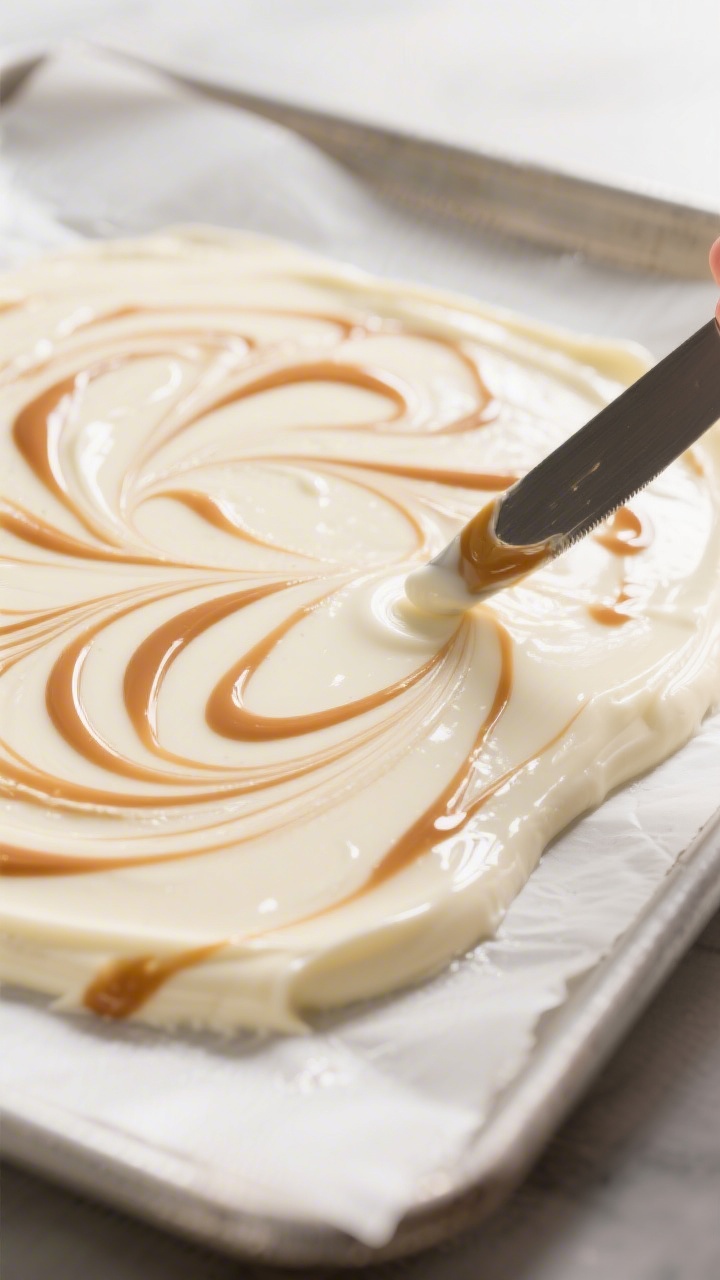
- Swirl with a toothpick or the tip of a butter knife. Drag through the caramel lines in alternating directions to create a marbled look. Don’t overmix—distinct swirls look best.
- Optional: Sprinkle flaky sea salt lightly over the top. A little goes a long way and helps balance the sweetness.
- Chill the bark. Transfer the tray to the fridge and let it set for about 30–45 minutes, or until firm to the touch. If you’re in a humid environment, the fridge helps prevent tackiness.
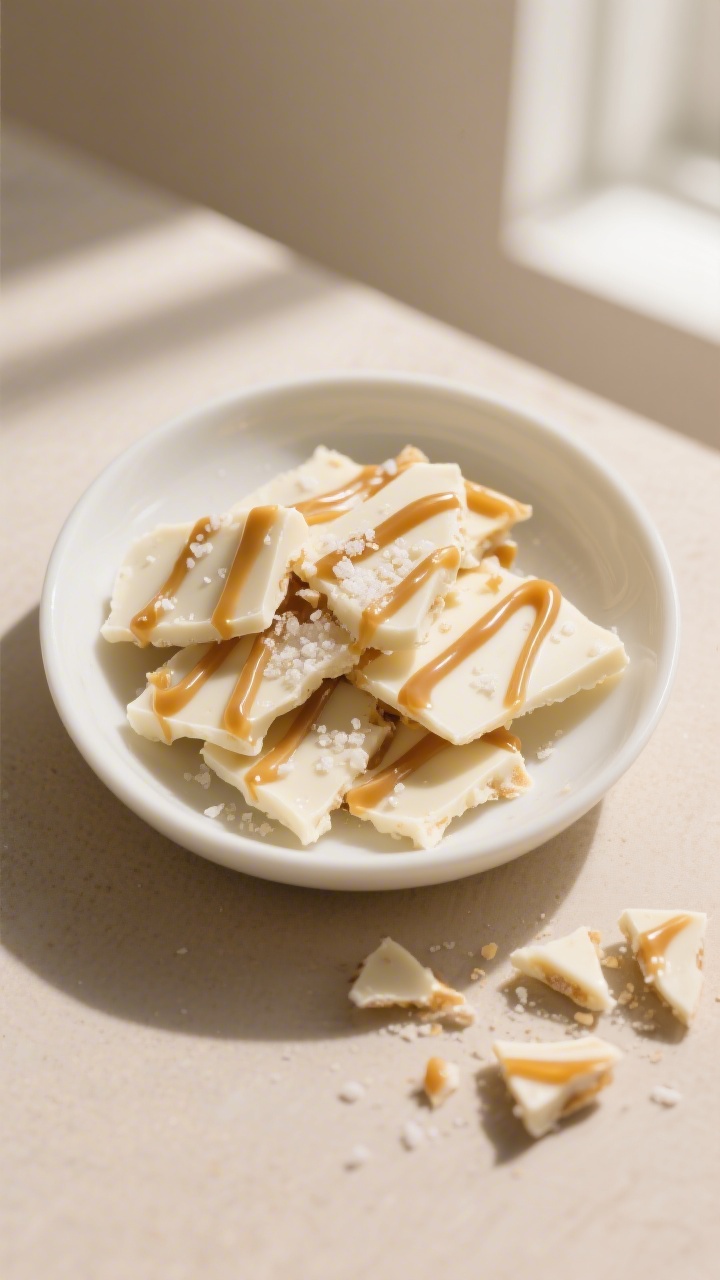
- Break into pieces. Lift the set bark by the parchment, then snap it into shards. You can also cut it with a chef’s knife for cleaner edges.
- Serve or store. Keep a few pieces out and tuck the rest away so it stays fresh.
What Makes This Recipe So Good
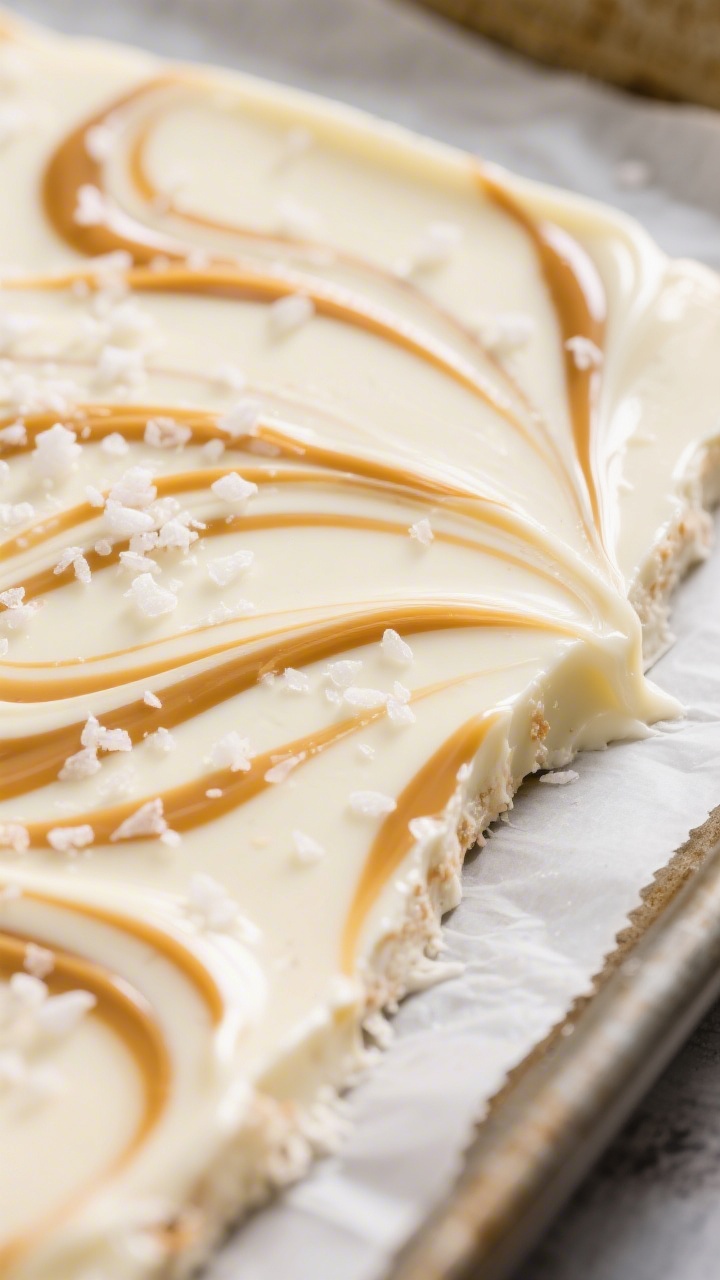
- Only three ingredients, but it tastes like a gourmet confection.
- No special equipment needed—just a microwave or stovetop and a baking sheet.
- Fast to make: active time is around 15 minutes, then it chills.
- Perfect texture: creamy chocolate with ribbons of gooey caramel.
- Flexible: easy to add nuts, pretzels, or a pinch of sea salt.
- Great for gifting: breaks into pieces and packs up beautifully.
What You’ll Need
- White chocolate (about 16 ounces): Use high-quality white chocolate bars or baking wafers. Look for cocoa butter in the ingredients for better melt and flavor.
- Soft caramels (about 8 ounces): Store-bought caramels are perfect.
Choose a brand that melts smoothly.
- Heavy cream (2–3 tablespoons): Helps loosen the caramel so it drizzles and swirls easily.
Optional but highly recommended:
- Flaky sea salt to sprinkle on top.
- 1 teaspoon neutral oil (like coconut or canola) to smooth the white chocolate if needed.
Instructions
- Line a baking sheet with parchment paper. Choose a sheet that fits in your fridge. Clear a spot in the fridge so you can chill the bark right away.
- Chop the white chocolate into small, even pieces.
If using wafers, you can skip chopping. The smaller the pieces, the smoother the melt.
- Melt the white chocolate. Microwave method: Place chocolate in a microwave-safe bowl and heat on 50% power in 20–30 second bursts, stirring well between each, until just melted and glossy.
Stovetop method: Use a double boiler and stir gently until smooth. If the chocolate looks thick, stir in 1 teaspoon oil.
- Melt the caramels. Unwrap and add to a small saucepan with 2 tablespoons heavy cream.
Warm over low heat, stirring until smooth. If it seems too thick to drizzle, add up to 1 more tablespoon cream. Keep it warm on the lowest heat.
- Spread the white chocolate onto the parchment-lined sheet.
Aim for an even layer about 1/4 inch thick. Work quickly so it doesn’t start to set before you swirl in the caramel.
- Drizzle the warm caramel over the white chocolate in thin ribbons. Use a spoon or small pitcher to create lines across the surface.
- Swirl with a toothpick or the tip of a butter knife.
Drag through the caramel lines in alternating directions to create a marbled look. Don’t overmix—distinct swirls look best.
- Optional: Sprinkle flaky sea salt lightly over the top. A little goes a long way and helps balance the sweetness.
- Chill the bark.
Transfer the tray to the fridge and let it set for about 30–45 minutes, or until firm to the touch. If you’re in a humid environment, the fridge helps prevent tackiness.
- Break into pieces. Lift the set bark by the parchment, then snap it into shards.
You can also cut it with a chef’s knife for cleaner edges.
- Serve or store. Keep a few pieces out and tuck the rest away so it stays fresh.
Storage Instructions
- Room temperature: Store in an airtight container for up to 5 days if your kitchen is cool and dry.
- Refrigerator: Keeps well for 2–3 weeks. Place parchment between layers to prevent sticking.
- Freezer: Freeze for up to 2 months.
Wrap tightly to avoid moisture and freezer odors. Thaw in the fridge to reduce condensation.
- Avoid heat and sun: White chocolate softens quickly. Keep it away from warm spots and direct light.
Benefits of This Recipe
- Minimal effort, maximum reward: It delivers big flavor without complicated steps.
- Kid-friendly: Easy to make with little helpers—swirling is fun and forgiving.
- Budget-conscious: Uses simple, common ingredients you can find anywhere.
- Make-ahead friendly: Preps well before parties and holidays.
- Customizable: Works as a base for lots of textures and flavors.
Pitfalls to Watch Out For
- Overheating white chocolate: It scorches easily.
Use low heat and short bursts, stirring often.
- Thick caramel: If it’s not pourable, it will clump and tear the chocolate. Add cream to reach a smooth, drizzleable consistency.
- Moisture contamination: Even a drop of water can seize melted chocolate. Make sure bowls and utensils are completely dry.
- Over-swirling: Too much mixing turns the bark beige and muddy.
Stop when you see clean marbling.
- Storing while warm: Trapped steam creates condensation, making the surface tacky. Let it set fully before covering.
Recipe Variations
- Salty crunch: Add crushed pretzels or salted peanuts before chilling.
- Toasted nuts: Almonds, pecans, or hazelnuts bring warmth and texture. Chop and sprinkle after swirling.
- Spiced caramel: Stir a pinch of cinnamon or pumpkin spice into the warm caramel.
- Coffee kick: Mix 1 teaspoon instant espresso powder into the melted white chocolate.
- Fruit flare: Add freeze-dried raspberries or strawberries on top for tang and color.
- Dark contrast: Drizzle a little melted dark chocolate for a striking look and deeper flavor.
- Sea salt finish: A final sprinkle of flaky salt right before chilling enhances the caramel notes.
FAQ
Can I use white chocolate chips?
Yes, but they often contain stabilizers and may not melt as smoothly.
Baking wafers or chopped bars made with cocoa butter usually give a silkier finish. If using chips, melt slowly and consider adding a teaspoon of neutral oil.
What caramels work best?
Soft, chewy caramels that melt easily are ideal. Avoid very firm or sugar-grainy brands.
If you have a jar of thick caramel sauce, you can use that too—just warm it slightly so it spreads without tearing the chocolate.
Do I have to temper the white chocolate?
No, not for this bark. Tempering gives a sharper snap and shine, but it’s not necessary here. Chilling sets it just fine for casual snacking and gifting.
How do I prevent the chocolate from seizing?
Keep water away from your chocolate.
Dry all tools and bowls thoroughly, avoid steaming pots without a barrier, and melt low and slow. If it does seize, sometimes a splash of warm cream can turn it into a ganache, but it won’t work well for bark.
Can I add toppings before it sets?
Absolutely. Sprinkle nuts, pretzels, cookie crumbs, or freeze-dried fruit over the swirled bark before chilling so everything adheres nicely.
How thick should the bark be?
Around 1/4 inch is a good target.
Too thin and it can shatter; too thick and the caramel-to-chocolate ratio feels heavy. Spread evenly with an offset spatula for best results.
Why is my caramel pulling through the chocolate?
The caramel is probably too thick or cool. Warm it gently and thin with a bit more cream.
Also work quickly—chocolate that’s beginning to set can tear when swirled.
In Conclusion
This 3 ingredient white chocolate caramel bark recipe is simple, pretty, and reliably delicious.
With minimal prep and just a few pantry staples, you get a candy shop treat that looks special and tastes even better. Keep it classic with a sprinkle of sea salt, or load it up with your favorite toppings.
Make a batch for a party, tuck a few pieces into a gift tin, and stash some in the fridge for sweet emergencies. It’s the kind of recipe you’ll make once and then keep in your back pocket for every occasion.
Printable Recipe Card
Want just the essential recipe details without scrolling through the article? Get our printable recipe card with just the ingredients and instructions.