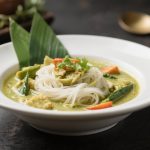
Thai Green Curry With Rice Noodles – A Bright, Comforting Weeknight Favorite

Thai green curry with rice noodles is one of those dishes that hits all the right notes: creamy, spicy, aromatic, and deeply satisfying. It comes together quickly, but still feels special enough for a weekend dinner. The silky coconut broth wraps around springy rice noodles, with tender vegetables and your protein of choice.
It’s flexible, forgiving, and perfect for using what you have in the fridge. If you love big flavor without a lot of fuss, this one deserves a place in your rotation.
Thai Green Curry With Rice Noodles – A Bright, Comforting Weeknight Favorite
Ingredients
- Rice noodles: Medium-width or pad Thai-style noodles work best.
- Thai green curry paste: Choose your favorite brand; heat levels vary.
- Coconut milk: Full-fat for a richer broth; light coconut milk if you prefer it lighter.
- Protein: Chicken thigh or breast, shrimp, tofu, or chickpeas.
- Vegetables: Bell peppers, zucchini, snap peas, broccoli, baby corn, or eggplant.
- Aromatics: Garlic and ginger (optional but recommended).
- Stock or water: Chicken or vegetable stock to loosen the curry.
- Fish sauce: Adds savory depth; use soy sauce or tamari for a vegan option.
- Lime juice: For brightness.
- Sugar: A pinch of palm sugar or brown sugar to balance the heat.
- Fresh herbs: Thai basil or cilantro, plus sliced green onions if you like.
- Neutral oil: Such as canola or avocado oil for sautéing.
- Optional add-ins: Kaffir lime leaves, a few torn; fresh chilies for extra heat.
Instructions
- Prep the noodles: Soak or parboil rice noodles according to package directions until just tender. Rinse under cool water to stop cooking and toss with a little oil to prevent sticking. Set aside.
- Chop the vegetables and protein: Cut veggies into bite-size pieces. Slice chicken thinly, peel and devein shrimp if using, or cube extra-firm tofu and pat it dry.
- Warm the aromatics: Heat 1–2 tablespoons oil in a wide pan or wok over medium heat. Add minced garlic and ginger, cooking for 30 seconds until fragrant, not browned.
- Bloom the curry paste: Stir in 2–3 tablespoons green curry paste and cook for 1–2 minutes. This step releases the oils and boosts flavor. If you like it hotter, add up to 4 tablespoons.
- Add coconut milk: Pour in one 13–14 oz can of coconut milk. Stir to combine with the paste until smooth and gently bubbling.
- Loosen with stock: Add 1/2 to 1 cup stock or water to reach a soup-like consistency that will coat the noodles. Bring to a gentle simmer.
- Season the base: Add 1–2 teaspoons fish sauce, 1 teaspoon sugar, and a squeeze of lime. Taste and adjust. You want salty, sweet, tangy, and spicy in balance.
- Cook the protein: Add chicken or tofu first and simmer until nearly cooked through (about 5–6 minutes for chicken, 3–4 for tofu). If using shrimp, add later with quick-cooking vegetables to avoid overcooking.
- Add the vegetables: Stir in sturdier veggies like broccoli or eggplant first, then add tender ones like snap peas or bell peppers. Simmer until crisp-tender, 3–5 minutes total.
- Finish with herbs and lime: Turn off the heat. Stir in torn Thai basil or cilantro, more lime juice to taste, and kaffir lime leaves if using. Remove leaves before serving.
- Combine with noodles: You can either ladle the curry over bowls of noodles or toss the noodles directly into the pan to coat them in the sauce. Add a splash of hot water if it gets too thick.
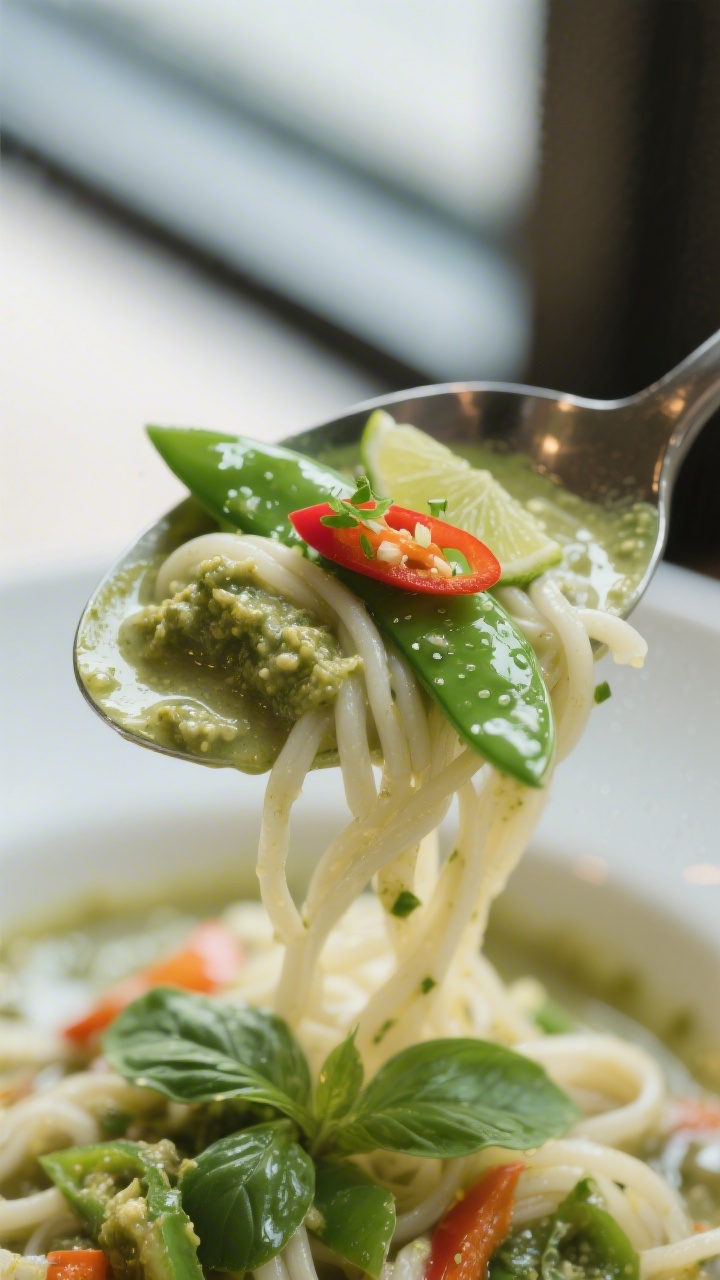
- Serve: Top with extra herbs, sliced chilies, and green onions. Taste again and finish with a few drops of fish sauce or lime if needed.
What Makes This Recipe So Good
- Fast and flexible: You can get this on the table in about 30 minutes, and swap in whatever vegetables or proteins you like.
- Balanced flavor: Green curry paste brings heat and fragrance, coconut milk adds richness, and a splash of lime keeps it lively.
- Comfort with a lift: Rice noodles make it cozy, while fresh herbs and lime make it bright and fresh.
- Pantry-friendly: A jar of green curry paste, a can of coconut milk, and dried rice noodles are the building blocks for a craveable meal.
- Great for leftovers: The curry base stores well, and you can cook fresh noodles to serve with it over the next couple of days.
What You’ll Need
- Rice noodles: Medium-width or pad Thai-style noodles work best.
- Thai green curry paste: Choose your favorite brand; heat levels vary.
- Coconut milk: Full-fat for a richer broth; light coconut milk if you prefer it lighter.
- Protein: Chicken thigh or breast, shrimp, tofu, or chickpeas.
- Vegetables: Bell peppers, zucchini, snap peas, broccoli, baby corn, or eggplant.
- Aromatics: Garlic and ginger (optional but recommended).
- Stock or water: Chicken or vegetable stock to loosen the curry.
- Fish sauce: Adds savory depth; use soy sauce or tamari for a vegan option.
- Lime juice: For brightness.
- Sugar: A pinch of palm sugar or brown sugar to balance the heat.
- Fresh herbs: Thai basil or cilantro, plus sliced green onions if you like.
- Neutral oil: Such as canola or avocado oil for sautéing.
- Optional add-ins: Kaffir lime leaves, a few torn; fresh chilies for extra heat.
Step-by-Step Instructions
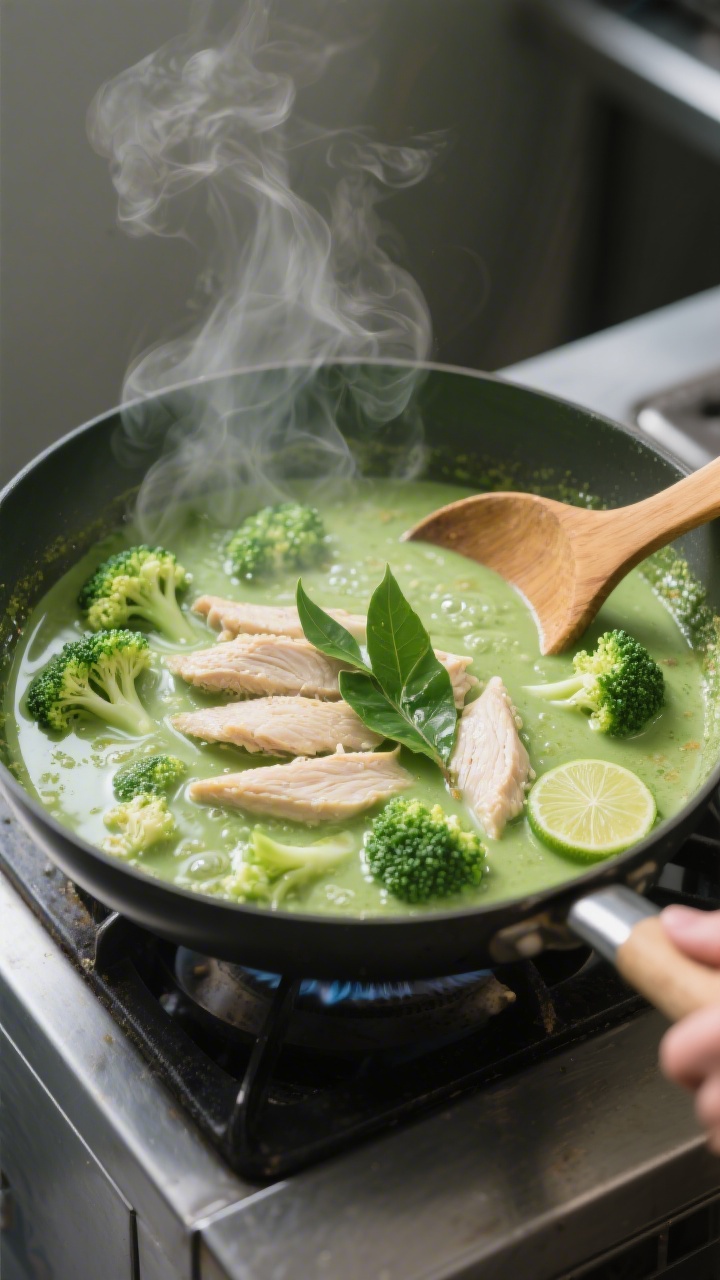
- Prep the noodles: Soak or parboil rice noodles according to package directions until just tender. Rinse under cool water to stop cooking and toss with a little oil to prevent sticking.Set aside.
- Chop the vegetables and protein: Cut veggies into bite-size pieces. Slice chicken thinly, peel and devein shrimp if using, or cube extra-firm tofu and pat it dry.
- Warm the aromatics: Heat 1–2 tablespoons oil in a wide pan or wok over medium heat. Add minced garlic and ginger, cooking for 30 seconds until fragrant, not browned.
- Bloom the curry paste: Stir in 2–3 tablespoons green curry paste and cook for 1–2 minutes.This step releases the oils and boosts flavor. If you like it hotter, add up to 4 tablespoons.
- Add coconut milk: Pour in one 13–14 oz can of coconut milk. Stir to combine with the paste until smooth and gently bubbling.
- Loosen with stock: Add 1/2 to 1 cup stock or water to reach a soup-like consistency that will coat the noodles.Bring to a gentle simmer.
- Season the base: Add 1–2 teaspoons fish sauce, 1 teaspoon sugar, and a squeeze of lime. Taste and adjust. You want salty, sweet, tangy, and spicy in balance.
- Cook the protein: Add chicken or tofu first and simmer until nearly cooked through (about 5–6 minutes for chicken, 3–4 for tofu).If using shrimp, add later with quick-cooking vegetables to avoid overcooking.
- Add the vegetables: Stir in sturdier veggies like broccoli or eggplant first, then add tender ones like snap peas or bell peppers. Simmer until crisp-tender, 3–5 minutes total.
- Finish with herbs and lime: Turn off the heat. Stir in torn Thai basil or cilantro, more lime juice to taste, and kaffir lime leaves if using.Remove leaves before serving.
- Combine with noodles: You can either ladle the curry over bowls of noodles or toss the noodles directly into the pan to coat them in the sauce. Add a splash of hot water if it gets too thick.
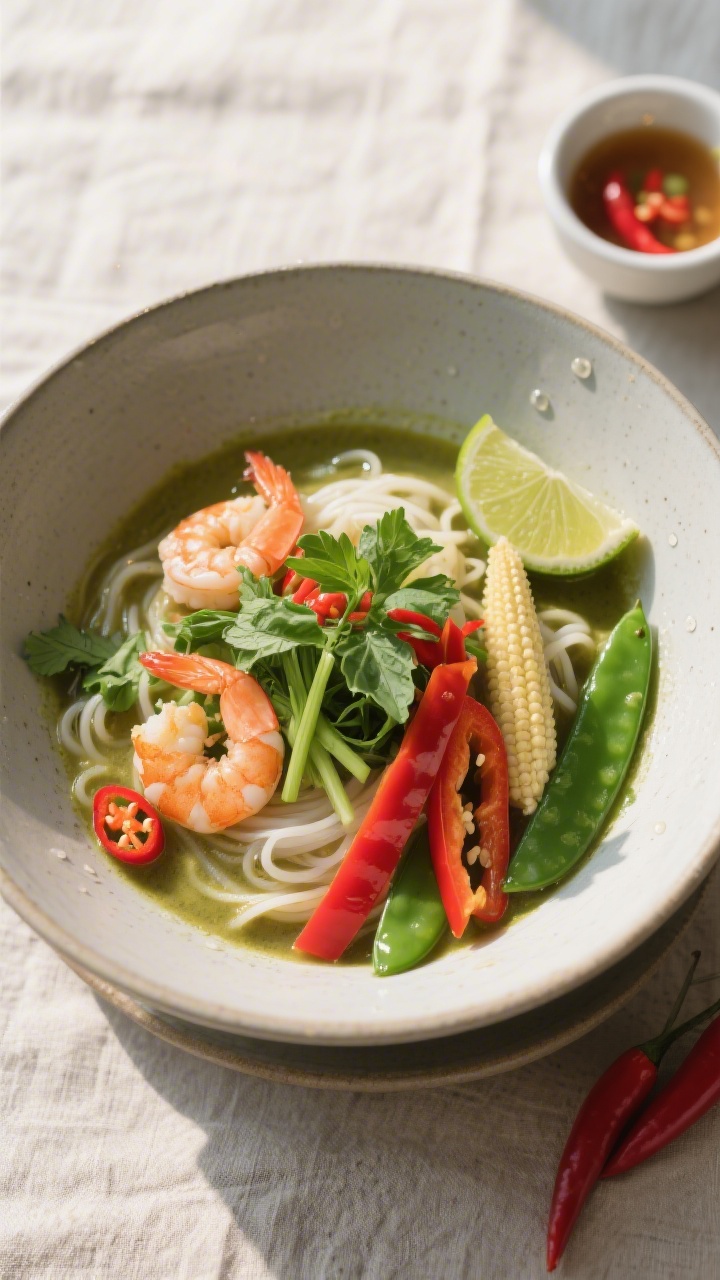
- Serve: Top with extra herbs, sliced chilies, and green onions. Taste again and finish with a few drops of fish sauce or lime if needed.
Keeping It Fresh
- Store components separately: Keep noodles and curry in separate containers so the noodles don’t soak up all the broth.
- Refrigeration: Curry keeps well for 3–4 days in the fridge.Noodles are best eaten within 2 days.
- Reheat gently: Warm the curry over low heat. If it separates, whisk or stir in a splash of water or stock to bring it back together.
- Freeze the curry base: The coconut curry (without noodles) freezes well for up to 2 months. Thaw overnight in the fridge.
Health Benefits
- Balanced meal: You get carbs from rice noodles, protein from chicken, shrimp, or tofu, and plenty of fiber and micronutrients from vegetables.
- Anti-inflammatory ingredients: Green curry paste typically includes green chilies, lemongrass, garlic, and galangal, which are known for antioxidant and anti-inflammatory properties.
- Dairy-free richness: Coconut milk creates a creamy texture without dairy.You can choose light coconut milk to reduce saturated fat.
- Customizable sodium and spice: By adjusting fish sauce and curry paste, you control salt and heat to suit your needs.
Pitfalls to Watch Out For
- Overcooked noodles: Rice noodles go from perfect to mushy fast. Stop cooking when just tender and rinse briefly.
- Curdled or separated coconut milk: Boiling hard can cause separation. Keep the heat at a gentle simmer and stir occasionally.
- Bland broth: If it tastes flat, add a bit more fish sauce for salt, sugar for roundness, and lime for brightness.Balance is key.
- Rubbery shrimp or dry chicken: Add shrimp at the end and avoid over-simmering chicken. Thin slices cook quickly and stay tender.
- Too spicy or too mild: Start with less curry paste, then add more to taste. Heat levels vary widely between brands.
Alternatives
- Protein swaps: Try thinly sliced beef, pork, tempeh, or canned chickpeas.For a lighter option, add edamame.
- Vegetable variations: Use mushrooms, carrots, bok choy, green beans, or kale. Frozen peas or corn are handy last-minute add-ins.
- Noodle options: Vermicelli or wide rice noodles both work. If you prefer grains, serve the curry over jasmine rice or brown rice.
- Flavor boosters: Add a teaspoon of peanut butter for a nutty note, or a splash of coconut aminos for gentle sweetness.
- Vegan-friendly: Use tofu or chickpeas, swap fish sauce for soy sauce or a vegan fish sauce, and check your curry paste label.
FAQ
Is green curry very spicy?
Green curry can be moderately spicy, but it depends on the brand of curry paste and how much you use.
Start with 2 tablespoons and add more if you want extra heat. Coconut milk helps mellow the spice.
Can I make this ahead?
Yes. The curry base tastes even better the next day.
Store the noodles separately and cook fresh noodles before serving if possible, or loosen leftover noodles with hot water.
What kind of coconut milk should I buy?
Choose unsweetened canned coconut milk. Full-fat gives a lush, restaurant-style texture. Light coconut milk works if you want a lighter broth, though it may be thinner.
How do I keep tofu from falling apart?
Use extra-firm tofu, press out excess moisture, and cut it into cubes.
Pan-searing the cubes in a bit of oil before adding to the curry helps them keep their shape and absorb more flavor.
Can I use curry powder instead of green curry paste?
Not really. Green curry paste has fresh aromatics like lemongrass, galangal, and green chilies that curry powder can’t replicate. If needed, mix yellow curry powder with a little ginger, garlic, and lime zest, but the flavor will be different.
What can I use instead of fish sauce?
Soy sauce, tamari, or a vegan fish sauce are good swaps.
You may need an extra squeeze of lime and a pinch of sugar to balance the flavor.
Why did my coconut milk split?
High heat or rapid boiling can cause separation. Keep the curry at a gentle simmer and stir occasionally. If it splits, whisk in a splash of warm water or stock to bring it back.
Do I need kaffir lime leaves?
They’re optional, but they add a distinctive citrusy aroma.
If you can’t find them, use extra lime zest and basil for brightness.
Final Thoughts
Thai green curry with rice noodles is the kind of meal that rewards you with big flavor for a small time investment. With a few pantry staples and fresh add-ins, you can build a bowl that’s fragrant, creamy, and deeply comforting. Keep the balance in mind—salty, sweet, tangy, and spicy—and you’ll nail it every time.
Make it your own with the vegetables and proteins you love, and enjoy the ease of a weeknight winner that never gets old.
Printable Recipe Card
Want just the essential recipe details without scrolling through the article? Get our printable recipe card with just the ingredients and instructions.