Is Mung Beans Keto Friendly?

As someone who has been on the ketogenic diet for a while now, I’ve had to get creative with my food choices. One ingredient that I’ve always been curious about is mung beans.
On one hand, they’re a great source of plant-based protein and fiber. On the other hand, they’re known for being high in carbs. So, do mung beans fit the keto diet?
Is Mung Beans Keto Friendly?
Mung beans may be included in a ketogenic diet, however, it will depend on the person’s particular carbohydrate tolerance and how they are going about the diet. Mung beans have a high glucose load despite being a rich source of protein and fiber. Mung beans might not be the greatest option if you’re following a strict ketogenic diet with a minimal carbohydrate intake.
In this guide, we’ll talk about mung beans’ keto-friendly qualities in this post, along with some ideas for using them in your diet.
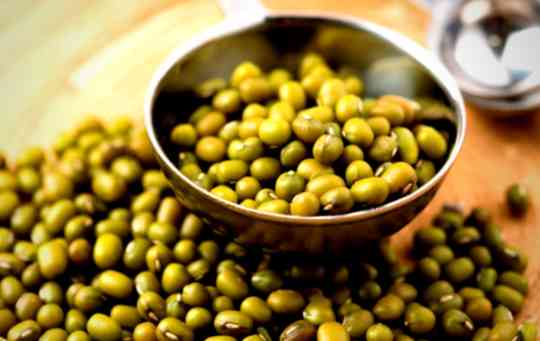
Is Mung Beans Keto Friendly?
Mungbeans certainly offer some excellent nutritional advantages, however, they have a high carbohydrate level when compared to other keto-friendly foods.
Mung beans may not be the ideal option if you’re strictly following a ketogenic diet and trying to limit your daily carb intake to under 20 grams.
They might work in your meal plan, though, if you’re taking a more lax approach to the keto diet and allowing for a greater carb intake.
Let’s first define the keto diet in order to respond to this query.
The ketogenic diet, also known as “keto,” is a low-carb, high-fat eating plan that tries to assist your body in reaching the ketosis state.
When this happens, your body begins to use fat as fuel rather than carbohydrates. To do this, severely cut back on your carb intake while upping your fat intake.
Let’s now discuss mung beans.
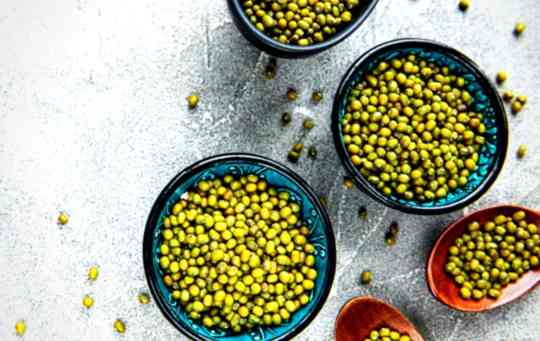
These little green beans have a sweet, nutty flavor and are frequently used in Indian and Southeast Asian cooking. They can also be used in a wide range of cuisines, including soups, curries, and sprouts.
Mung beans are a wonderful source of protein, fiber, and a number of vitamins and minerals when it comes to nutrition.
However, they also contain a fair amount of carbohydrates, with roughly 21 grams per 100 grams of cooked mung beans.
Related: Can Mung Beans Be Popcorn
How to Add Mung Bean to Your Kito Diet?
The following advice will help you include mung beans in your keto diet:
1. Use Mung Beans As a Garnish or Side Dish
Mung beans can be used as a garnish or side dish to add a little flavor and nutrition to your meals without packing on the carbs.
For instance, you might add some cooked mung beans to a stir-fry or sprinkle them on top of a salad. You’ll still reap the rewards of mung beans this way, but you won’t be consuming as many carbohydrates.
2. Choose Mung Beans over Higher-carb Legumes
Mung beans may be a better alternative than other higher-carb options, such as kidney beans or chickpeas if you enjoy legumes and want to include them in your ketogenic diet.
Mung beans are lower in carbohydrates than certain other varieties of legumes, even though they do have a reasonably high carb load in comparison to other keto-friendly foods.
3. Pair Mung Beans with High-fat, Low-carb Foods
Mung beans can also be used on the keto diet if they are combined with high-fat, low-carb items.
For instance, you might sprinkle some cooked mung beans on top of a keto-friendly smoothie or add them to a dish of spinach and avocado.
By doing so, you’ll be able to counteract the mung beans’ carbohydrates with beneficial fats, which may help you maintain ketosis.
4. Use sprouted mung beans
You might want to try sprouting the mung beans if you truly want to reduce their carbohydrate level.
Mung beans must be soaked in water for several days in order to germinate and begin growing into tiny sprouts.
Mung beans can be made more digestible and more nutritious by sprouting, which offers a number of advantages. The ability to actually lower the carbohydrate content of mung beans is one of the most intriguing advantages of sprouting.
Mung beans are a more keto-friendly choice according to studies demonstrating that sprouting them can considerably lower their carbohydrate and calorie content.
In contrast to the 21 grams of carbohydrates present in cooked mung beans, it has been shown that sprouted mung beans only contain 4 grams of carbohydrates per 100 grams.
Therefore, if you want to add mung beans to your keto diet but are concerned about the carbs, think considering sprouting them first.
5. Be Mindful of Portion Sizes
Lastly, it’s crucial to keep in mind that even if mung beans are allowed in a ketogenic diet, you still need to watch your portion quantities.
These beans can add flavor and nutrition to your meals, but it’s still crucial to monitor your carbohydrate intake.
Mung beans should be eaten in moderation, as with any food, especially if you’re strictly adhering to a ketogenic diet.
Related: What Is A Good Substitute For Mung Beans
Are Mung beans Low In Carbs?

The food mung beans are not low in carbohydrates. 21 grams of carbs per 100 grams are found in cooked mung beans.
Mung beans’ carbohydrate and calorie content can be drastically reduced by sprouting them, with as few as 4 grams of carbohydrates per 100 grams of sprouted mung beans.
Therefore, sprouting mung beans before cooking them may be advantageous if you want to reduce the number of carbohydrates they contain.
This graph contrasts the number of carbohydrates in cooked mung beans with that in other popular legumes:
| Legume | Carbohydrates per 100 grams (cooked) |
|---|---|
| Mung Beans | 21 grams |
| Chickpeas | 26 grams |
| Lentils | 20 grams |
| Soybeans | 15 grams |
| Kidney Beans | 25 grams |
It’s crucial to remember that the number of carbohydrates in legumes might change depending on how they are handled and cooked.
Because they may have been prepared differently or with the addition of salt or other substances, canned legumes, for instance, may have a slightly different nutritional profile than cooked legumes.
Sprouting can drastically diminish the carbohydrate and calorie content of these legumes, hence the number of carbohydrates in sprouted mung beans is significantly lower than that in cooked mung beans.
Are Mung Beans High In Protein?
Mung beans do indeed provide a substantial amount of protein. In reality, mung beans, when cooked, contain about 8 grams of protein per 100 grams, making them one of the highest protein legumes.
Mung beans are a well-liked option for vegetarians and vegans since they are a plant-based protein source that is abundant in key amino acids.
Additionally, they contain a lot of fiber, which can aid in digestion and make you feel full and content.
Related: Can I Eat Raw Mung Beans
Are Mung Beans Good For Weight Loss?
Mung beans are a fantastic source of protein and fiber, which might aid in satiety and keep you feeling full and content, making them possibly beneficial for weight loss.
When attempting to reduce weight, it is crucial to take both their carbohydrate and calorie contents into account. Cooked mung beans have about 70 calories per 100 grams, making them a relatively calorie-efficient food.
The amount of carbohydrates in 100 grams of cooked mung beans is about 21 grams, therefore they certainly contain a fair amount of carbohydrates.
When trying to reduce weight, it’s crucial to include mung beans in a well-balanced diet and pay attention to portion amounts.
Conclusion
Mung beans are a great addition to a keto diet as they are nutrient-dense and contain very few net carbohydrates. They are a great source of fiber, protein, and essential vitamins and minerals.
With their versatility and range of benefits, mung beans are an ideal choice for a keto-friendly snack or meal.
FAQs
Are Beans Keto?
Most beans are not considered keto-friendly due to their high carb content.
Is Monggo Keto-friendly?
Monggo, also known as mung bean, is not considered keto-friendly due to its relatively high carb content.
Are Mung Beans Keto?
Mung beans have a moderate carb content, but they can fit into a keto diet in small amounts or as part of a low-carb meal plan.
Are Beans Keto-friendly?
Many types of beans are not keto-friendly due to their high carb content, but there are some varieties that are lower in carbs and can fit into a well-planned keto diet.
Which Beans Are Keto-friendly?
Some of the keto-friendly bean options include black soybeans, edamame, and green beans, which are all relatively low in carbs and high in fiber.
Is Mung Bean Keto-friendly?
Mung beans have a moderate carb content, but they can fit into a keto diet in small amounts or as part of a low-carb meal plan.
Is Mung Beans Good for Low Carb Diet?
Mung beans can be beneficial for a low carb diet due to their relatively low carbohydrate content.
Is Monggo Keto Friendly?
Monggo can be included in a keto diet as it is relatively low in carbs and can fit into the macronutrient requirements.
Is Mung Bean Keto Friendly?
Mung beans can be considered keto-friendly as they contain a moderate amount of carbs that can be incorporated into a ketogenic diet.
Is Monggo Allowed in Keto?
Monggo is permitted in a keto diet since it has a moderate carbohydrate content that can be managed within the ketogenic guidelines.
Monggo for Keto
Monggo can be a suitable option for a keto diet due to its moderate carb content that can fit into the required macronutrient ratios.
Mung Beans Good for Keto Diet?
Including mung beans in a keto diet can be beneficial since they are relatively low in carbs and can be incorporated into the required macros.
Are Mung Beans Keto-Friendly?
Yes, mung beans can be considered keto-friendly due to their lower carb content, making them a suitable choice for a ketogenic diet.
Are Beans Keto Friendly?
Some beans can be keto-friendly, but the carbohydrate content varies among different types. It is important to choose beans with lower carb content to fit within the keto guidelines.
Is Monggo Low Carb?
Monggo is relatively low in carbs, which makes it a suitable option for those following a low-carb diet.
Is Mung Beans High in Carbs?
Mung beans are not high in carbs; they have a relatively low carbohydrate content, making them suitable for low-carb diets.